Key facts
- All 29 beds were full at the Kitatumba Ebola treatment center in North Kivu province.
- North Kivu province accounts for about a third of newly confirmed Ebola cases and deaths.
- Just over 60% of people diagnosed with Ebola in North Kivu are dying, significantly higher than the national average of 48%.
- The Bundibugyo species of the virus, for which there are no approved vaccines or treatments, is believed to be spreading.
- The Democratic Republic of Congo has confirmed 7,820 cases and 3,779 deaths as of September 25.
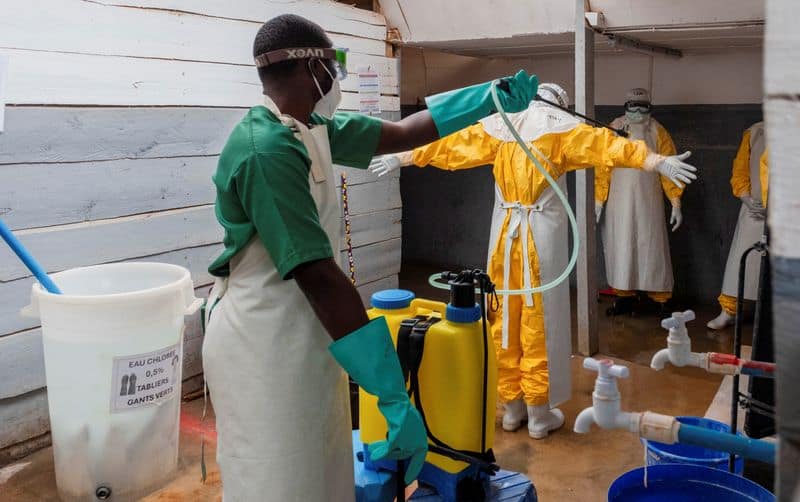
North Kivu province in the Democratic Republic of Congo is facing a critical surge in Ebola cases, overwhelming existing health facilities and highlighting the challenges of containing the virus in a vast and conflict-affected region. The Kitatumba Ebola treatment center in Butembo, a city of 2 million, had all 29 of its beds occupied this week, with some patients unable to find admission.
Medecins Sans Frontieres (MSF) project coordinator Stephanie Hoffmann described scenes of critically ill patients, including a 10-year-old boy who died before being admitted. City authorities have announced the opening of two new treatment centers to cope with the demand, bringing the total to four. However, the sheer scale of the outbreak and the advanced stage at which some patients arrive limit the effectiveness of medical interventions.
Researchers believe the Bundibugyo species of the virus, which has been spreading for months, is responsible for the current surge. This species is less understood, and unlike the more common Zaire species, there are no approved vaccines or treatments available, contributing to public suspicion. Aid cuts, surveillance gaps, and ongoing armed conflict in eastern Congo further complicate containment efforts.
As of Tuesday, the Democratic Republic of Congo had confirmed 7,820 cases and 3,779 deaths. While Ituri province remains the most affected, North Kivu's share of new infections has risen sharply, now accounting for approximately one-third of new cases and deaths, according to the World Health Organization (WHO). South Ubangi province recently became the seventh affected region, indicating a "pronounced geographic redistribution of transmission."
Despite some signs of slowing transmission in parts of Ituri, UN Special Ebola Coordinator Julien Harneis described the outbreak as "massive." Frontline workers warn that cases continue to emerge in new and unprepared areas, and Anthony Kergosien, MSF's emergency coordinator, stated that the outbreak is "moving" rather than shrinking.
Deep-seated mistrust of Ebola responders among residents in North Kivu, coupled with funding and staffing shortages, exacerbates the containment difficulties. The case fatality rate in North Kivu is over 60%, significantly higher than the national average of 48%. Many patients avoid health facilities due to fear or disbelief in the virus's existence, complicating early identification and treatment. Some residents have attacked decontamination teams and burial crews, and a health post was set on fire earlier this month.
Congolese authorities and the WHO are implementing awareness campaigns and engaging with local leaders to build trust. Steve Ahuka, Congo's incident manager for the Ebola outbreak, noted increased access in recent weeks, though pockets of resistance persist. The WHO acknowledged that trust must be continually earned and has strengthened efforts to prevent and respond to abuses, referencing past incidents of sexual abuse and exploitation by responders during the 2018-2020 outbreak.