Key facts
- Resonac Holdings has developed a 300-mm silicon carbide (SiC) substrate.
- The new substrate can produce quadruple the amount of integrated circuits compared with current substrates.
- Resonac Corporation started mass-producing its third-generation high-grade silicon carbide (SiC) epitaxial wafer (HGE-3G).
- SiC power semiconductors are increasingly in demand for electric vehicles and renewable energy applications.
- Resonac plans to invest 15 billion yen to increase production capacity for non-conductive film and thermal conductive sheet.
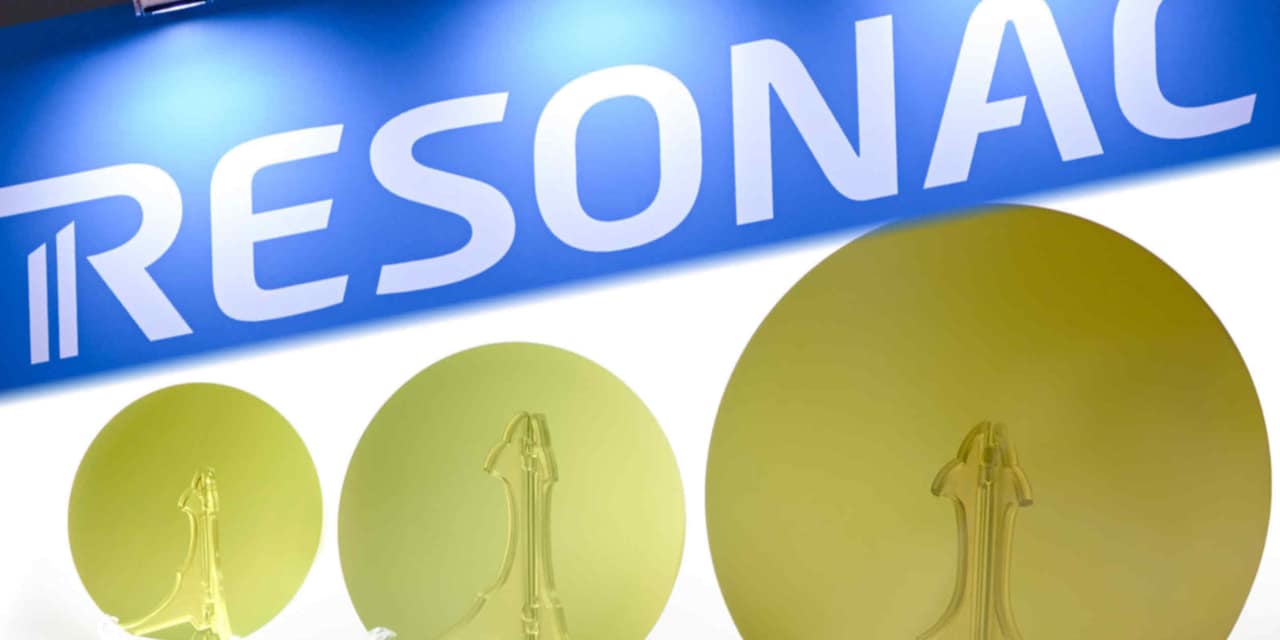
Semiconductor materials maker Resonac Holdings has developed a 300-mm silicon carbide (SiC) substrate, a product that can produce quadruple the amount of integrated circuits compared with current substrates. The company is the first in Japan to develop such a large SiC substrate, which has yet to be commercialized.
In March 2023, Resonac Corporation announced it had developed and started mass-producing its third-generation high-grade silicon carbide (SiC) epitaxial wafer (HGE-3G). This wafer offers superior quality to its second-generation predecessor and is used as the main material for SiC power semiconductors, which are gaining demand due to their energy-saving properties in applications like electric vehicles (EVs) and renewable energy generation. Resonac stated that the HGE-3G has high reliability under high electric current density and will contribute to the spread of high-end power modules.
More recently, in March 2024, Resonac announced plans to invest 15 billion yen to increase its production capacity for materials used in high-performance semiconductor chips, such as non-conductive film (NCF) and thermal conductive sheet (TIM), by 3.5 to 5 times. These materials are crucial for advanced semiconductor packaging technologies, which are becoming key to improving chip performance as front-end process improvements reach their limits.