Key facts
- About 150 Chinese teachers have left the Philippines due to rising tensions.
- Philippine Defence Secretary Gilberto Teodoro Jnr has warned that people-to-people ties could pose security concerns.
- Families of Chinese volunteer instructors have expressed safety concerns.
- Universities globally are increasingly viewed through a national security lens.
- Academic interactions can humanize relations and provide a nuanced view beyond geopolitical disputes.
- Philippine universities are underfunded, creating incentives for scholars to seek opportunities abroad.
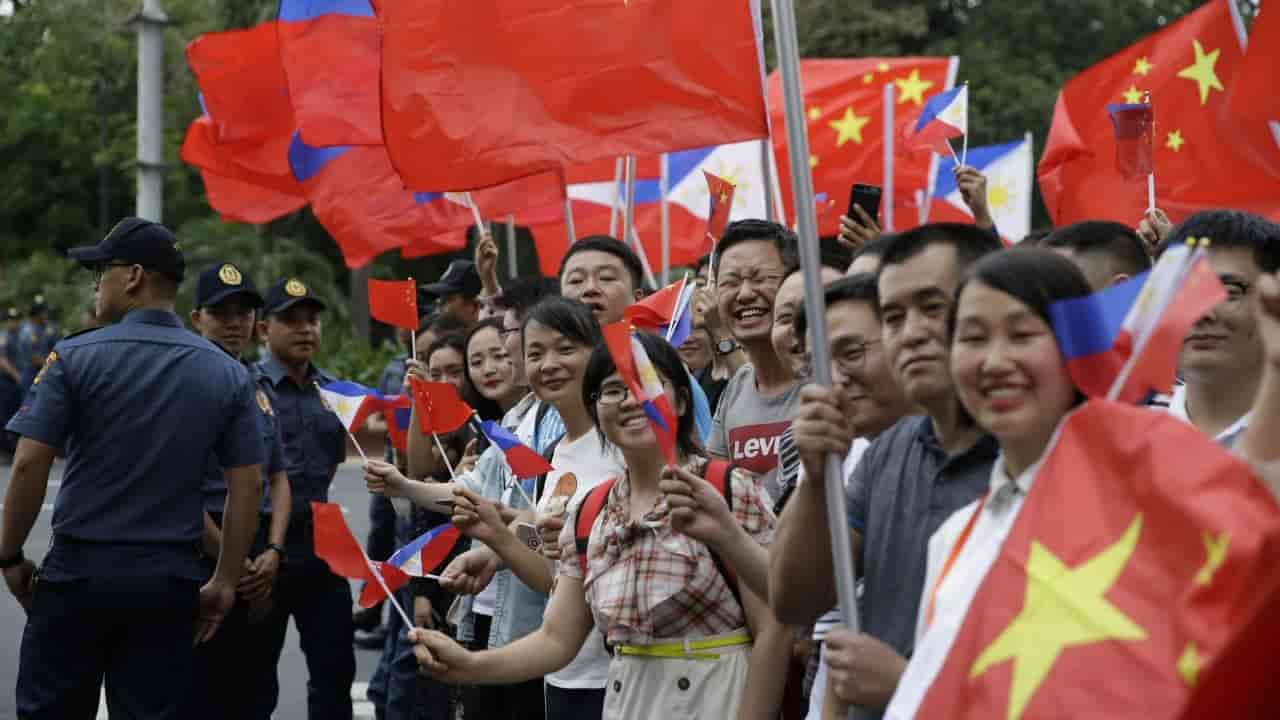
Educational and cultural exchanges between the Philippines and China are being impacted by rising tensions, with approximately 150 Chinese teachers having departed the Philippines. This situation follows renewed warnings from Philippine Defence Secretary Gilberto Teodoro Jnr regarding potential security concerns associated with such people-to-people ties. The departure of these instructors has raised safety concerns among their families and could disrupt classes and affect tourism in the Philippines.
Globally, universities are increasingly being scrutinized through a national security lens, with academic exchanges, language programs, and research cooperation sometimes interpreted as extensions of state rivalry rather than purely academic activities. While countries like the Philippines have legitimate security concerns, the argument is made that national security should not be the default explanation for all international academic engagement. Replacing careful analysis with political assumptions can lead to diminished understanding rather than enhanced security.