Key facts
- Thailand has an estimated 10 million civilian-held guns, with 4 million unlicensed.
- The country experiences an estimated 2,000 to 3,000 gun deaths annually.
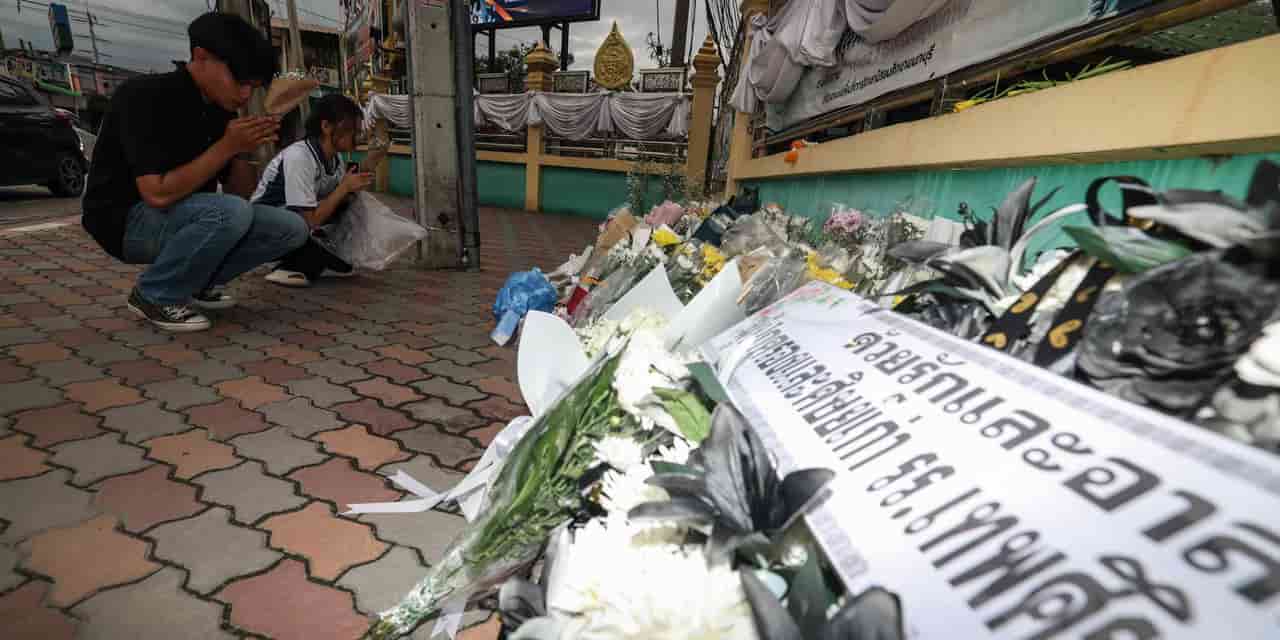
- A 14-year-old student killed eight people in a school shooting on August 7, 2026.
- A former politician allegedly shot and killed a local official and his driver three days later.
- Prime Minister Anutin Charnvirakul has promised tougher gun controls and safety measures.
Thailand is facing a persistent challenge with gun violence, highlighted by two fatal shootings in August 2026. Despite stringent regulations, the country is estimated to have over 10 million civilian-held firearms, with a significant portion being unlicensed, contributing to a high annual death toll. The recent incidents have prompted Prime Minister Anutin Charnvirakul to pledge comprehensive reforms, including suspending new gun purchase permits, increasing weapon checkpoints, and tightening restrictions on carrying firearms. Proposals also include reviewing existing licenses and potentially offering a firearm amnesty.
However, experts like criminologist Trynh Phoraksa of Mahidol University express skepticism about the effectiveness of these reactive measures, suggesting that structural reforms often stall once public attention wanes. The country has a history of such incidents, including a 2023 mall shooting involving a modified blank-firing pistol and a 2022 rampage at a childcare center that killed 37 people. These events have previously led to temporary halts in gun licensing and reviews of existing owners.
Gun enthusiasts, like mechanic Krisakorn Boonwan, acknowledge that their activities may be viewed differently post-violence but continue to practice shooting for focus and composure. The issue is compounded by a societal tolerance for violence and the perception of guns as status symbols, making it easy for minor disputes to escalate lethally. The Thai police do not maintain official tallies of gun deaths, but estimates range between 2,000 and 3,000 annually, a stark contrast to countries like Britain with similar populations.