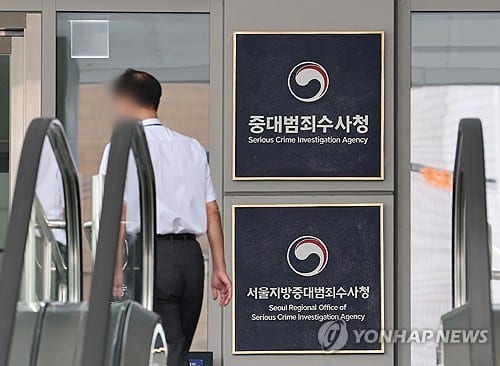
Key facts
- South Korea's new Serious Crime Investigation Agency (SCIA) launched this month.
- The agency faces potential jurisdictional disputes with the police.
- Ambiguities exist in defining "major crimes" for the SCIA's mandate.
- The police have extensive experience and infrastructure in investigating major crimes.
- An Investigation Jurisdiction Coordination Committee is to be formed after February 5.
- Voluntary consultations will be used to manage jurisdiction until the committee is established.
SEOUL, Oct. 8 (Yonhap) -- The Serious Crime Investigation Agency (SCIA), South Korea's newly established body for investigating major crimes, is poised for potential jurisdictional conflicts with the police due to lingering ambiguities in their respective mandates. The agency commenced operations at the beginning of October following a revision to the Criminal Procedure Act that significantly reshaped the country's investigative system.
The revised law effectively stripped the prosecution of its investigative powers, leaving it solely with the right to indict. Investigative authority has been divided between the SCIA and the police. The SCIA is designated to handle seven categories of major crimes, including corruption, business and economic offenses, defense procurement, narcotics, national security, cybercrimes, and distortion of the law. However, the precise definition of what constitutes a "major" crime remains unclear, raising concerns about potential overlaps and disputes with the police, who possess substantial resources and experience in these fields.