Key facts
- A federal judge is deciding if Donald Trump can charge up to $100,000 monthly for instant API access to his Truth Social posts.
- News groups argue the practice violates the First Amendment and Presidential Records Act by creating tiered access to government information.
- The Department of Justice defended the practice, comparing Trump's posts to FDR's fireside chats.
- Judge Paul Oetken questioned the comparison and acknowledged the API scheme could be discriminatory.
- The judge is expected to issue a written ruling on whether to enjoin Trump from selling API access while in office.
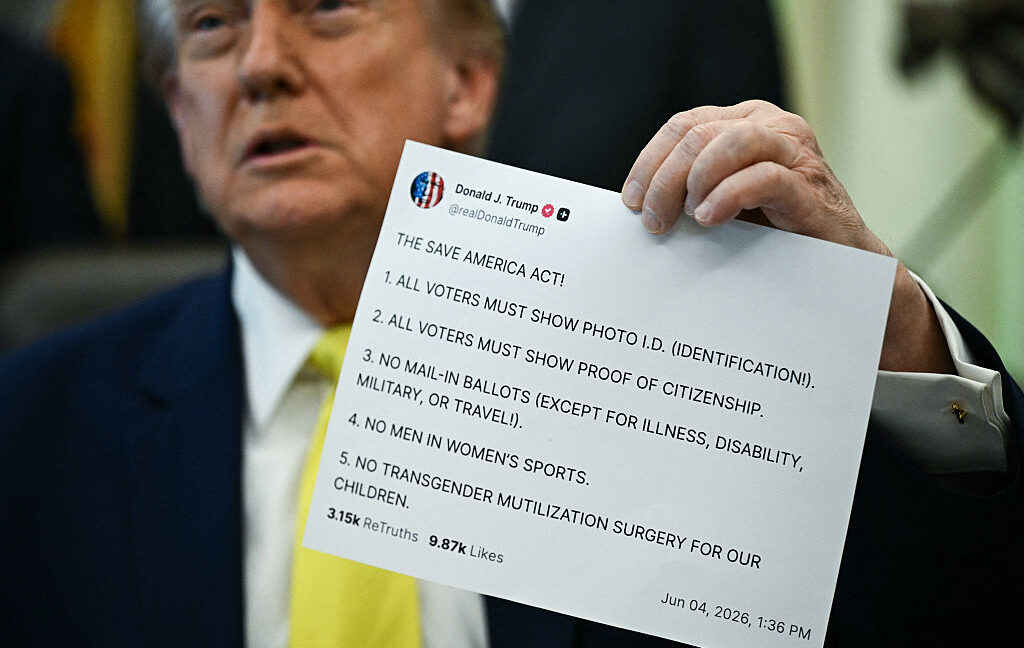
A federal judge is considering whether President Donald Trump can legally profit from selling early access to his Truth Social posts, a practice news organizations argue violates constitutional and statutory protections. At a hearing on Wednesday, US District Judge Paul Oetken questioned the Department of Justice's defense of the scheme, which allows Trump to charge up to $100,000 monthly for instant API access to his posts.
News groups suing argue that Trump's exorbitant API fees violate the First Amendment and the Presidential Records Act by creating tiers of access to government information and undermining the Fifth Amendment's prohibition against charging unreasonable sums for government benefits. They contend that Trump, as the largest stakeholder in Trump Media & Technology Group, the parent company of Truth Social, is personally profiting from information that is not his property.
DOJ attorney Brantley Mayers likened Trump's posts, which have announced significant policy decisions and administration changes, to Franklin D. Roosevelt's "fireside chats," suggesting they serve as an unvarnished public service. However, Judge Oetken pushed back, highlighting that Roosevelt did not charge for his broadcasts and questioning the "negligible" delay for human access versus algorithmic trading benefits.
Nikhel Sus, chief counsel for Citizens for Responsibility and Ethics in Washington (CREW), criticized the DOJ's comparison and emphasized the judge's recognition of the "symbiotic relationship" between Trump and Truth Social. Sus argued that the lack of precedent for a president profiting from presidential announcements should raise alarms, not serve as an excuse for the conduct.
The judge also explored whether a delay of even a fraction of a second in accessing information would meaningfully harm the free press. Attorneys for the news organizations countered that the API provides a valuable machine-readable feed and historical archive of posts, even those Trump frequently deletes, offering a more reliable log. The case is complex, and Judge Oetken did not rule from the bench, promising a written decision in the coming weeks.