Key facts
- The US FCC chair will defer to the Pentagon on whether to allow the livestream of Nidal Hasan's execution.
- Nidal Hasan, convicted of killing 13 people at Fort Hood in 2009, is scheduled for execution by firing squad on December 3.
- The execution is planned to be livestreamed, an unprecedented move for a US execution.
- New Zealand's Classification Office stated it cannot block the livestream due to legal limitations.
- Human rights groups have condemned the decision to livestream the execution.
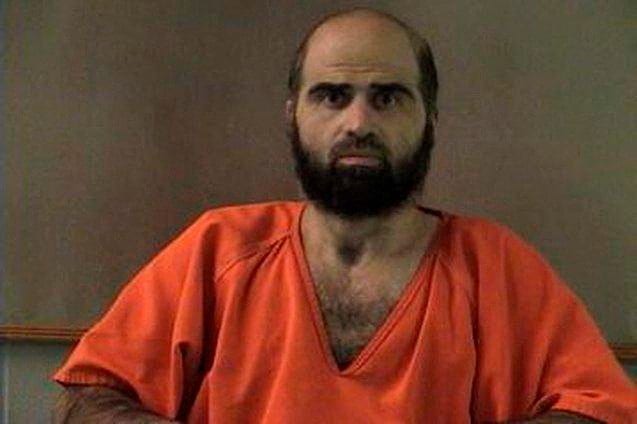
The chair of the US Federal Communications Commission (FCC) stated he would defer to the Pentagon on whether US networks could air a planned December 3 military execution, which would be an unprecedented broadcast. Defense Secretary Pete Hegseth said the execution by firing squad of Nidal Hasan, a former Army psychiatrist convicted of killing 13 people and wounding 32 others at Fort Hood in 2009, would be livestreamed.
FCC Chair Jessica Rosenworcel told CNBC that it was her understanding this would not air on broadcast TV, but when asked if she would allow it, she said, "Ultimately we're going to defer to Secretary Hegseth and you know his decisions on how to move forward with this." An FCC spokesperson and major broadcast networks did not immediately respond to requests for comment.
Andrew Jay Schwartzman, a senior counselor at the Benton Institute for Broadband & Society, stated there is no legal basis for the FCC to intervene in a broadcaster's decision to air a live execution, citing the Communications Act and the Constitution, which protect speech short of obscenity. A 2007 FCC report also indicated the agency lacked authority to regulate violent content, finding such depictions protected by the First Amendment.
Separately, New Zealand's Classification Office stated it cannot block the livestream of the execution due to legal limitations, as it lacks the authority to classify and block live events as they occur. Chief Censor Caroline Flora noted that New Zealand's threshold for banning content is high, balancing freedom of expression with potential harm.
Human rights groups have condemned the decision to livestream the execution. Amnesty International Australia called it an "appalling disregard for human dignity" and urged the US to reverse the decision.