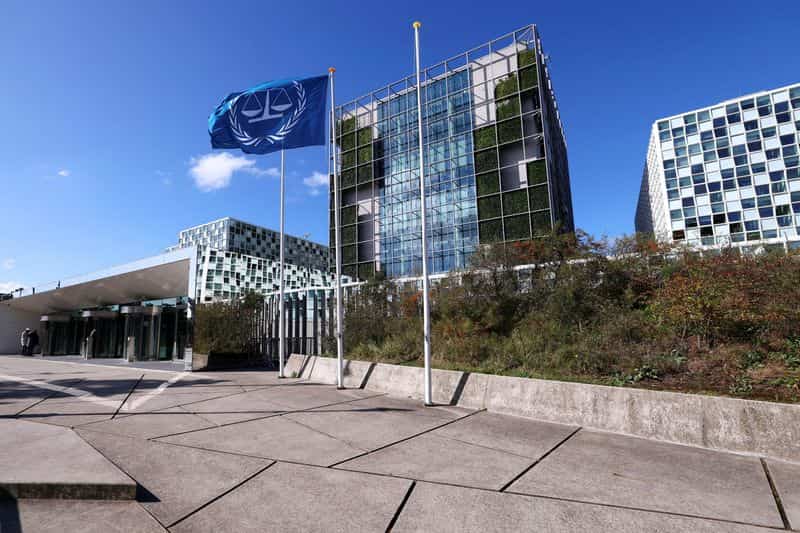
The Trump administration imposed sanctions on the International Criminal Court (ICC) on Friday, escalating a long-standing dispute over the court's jurisdiction. Secretary of State Marco Rubio stated in a released statement that the US would ban transactions with the court, aiming to cut off its resources and cripple its ability to operate. Washington has been critical of the ICC's actions, particularly regarding arrest warrants issued for Israeli officials, including Prime Minister Benjamin Netanyahu, and a past investigation into US soldiers in Afghanistan.
Rubio emphasized that President Trump would not allow the ICC to prosecute Americans. The sanctions are structured to give the court and its member states an opportunity to address US concerns, with a senior State Department official indicating the Treasury would issue licenses to protect American interests. The US has previously imposed targeted sanctions on ICC officials, which were rescinded under President Joe Biden, but announced new measures shortly after Trump's return to office in January 2025.
The ICC, founded in 2002, prosecutes war crimes, crimes against humanity, and genocide, and has 125 member states, including all EU and NATO members except the United States and Turkey. The court's registrar, Osvaldo Zavala Giler, had previously urged the EU to consider a "blocking mechanism" to shield European countries from the extraterritorial effects of US sanctions. The Nobel Peace Prize was awarded on Friday to Navi Pillay, a South African jurist who previously served as an ICC judge, for her work in international criminal justice, with the prize committee citing a need to support institutions of international law that are under political attack.