Key facts
- US should use targeted safeguards instead of wholesale restrictions on Chinese EVs, experts say.
- Current US trade policy effectively blocks Chinese EVs from the market.
- A 100% tariff on Chinese EVs was enacted in 2024.
- The landed cost of a BYD Seagull could exceed $30,000 in the US due to tariffs.
- Chinese automakers have not announced concrete plans to sell vehicles in the US while current trade policy remains.
The United States should shift from imposing broad "wholesale restrictions" on Chinese electric vehicles and battery manufacturers to a more strategic approach involving targeted safeguards and partnerships, according to experts. John Helveston, an associate professor at George Washington University, advocated for "strategic partnerships" rather than outright bans during a discussion on Tuesday.
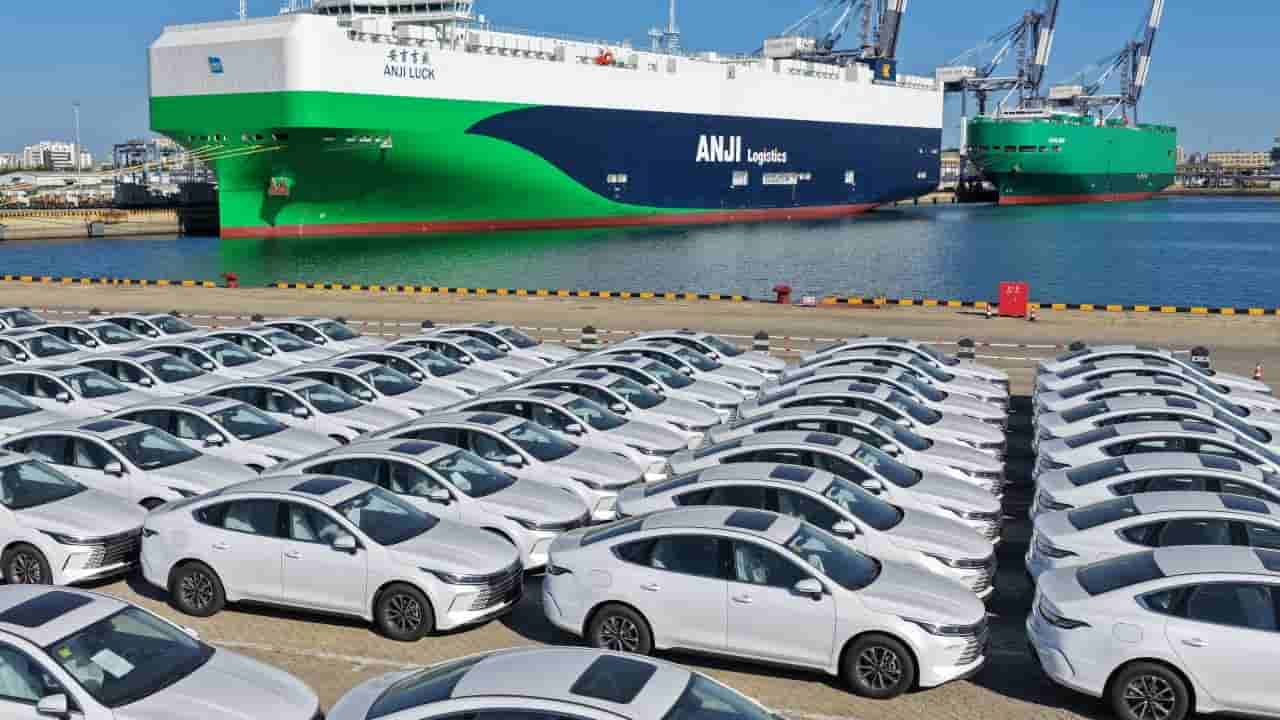
As of 2026, Chinese-built electric vehicles are effectively barred from the US market due to a series of tariffs. A 100% duty enacted in 2024, combined with baseline import duties and Section 301 tariffs, significantly increases the cost of these vehicles. For instance, a BYD Seagull, priced around $12,000 in China, would cost over $30,000 in the US before dealer markup, negating its price advantage.
No major Chinese automaker, including BYD, NIO, Xpeng, Li Auto, and Zeekr, currently sells vehicles in the US, and none have announced plans to do so while current trade policies remain. The primary barrier is policy, not technology or consumer demand. The cumulative tariffs push the landed cost of a hypothetical $15,000 Chinese EV to approximately $34,125, excluding shipping, homologation, certification, and dealer margins. This would necessitate a US MSRP above $42,000 for profitability, placing it in direct competition with established US and international rivals that benefit from existing service networks and tax credits.
Chinese automakers have explored options to bypass tariffs, such as building factories in the US or Mexico. However, a Mexico route faces challenges due to USMCA rules requiring 75% regional value content, and Mexico has indicated alignment with US trade policy on Chinese EVs. Establishing a US factory involves substantial investment and political risk, especially if tariffs are altered. A partnership route, similar to Geely's approach with Volvo and Polestar, where Chinese-sourced platforms are used in vehicles manufactured elsewhere, is currently the only viable channel for Chinese EV technology to reach American consumers.