Key facts
- The U.S. government suspended Microsoft, Adobe, and eight other IT firms from the PERM program.
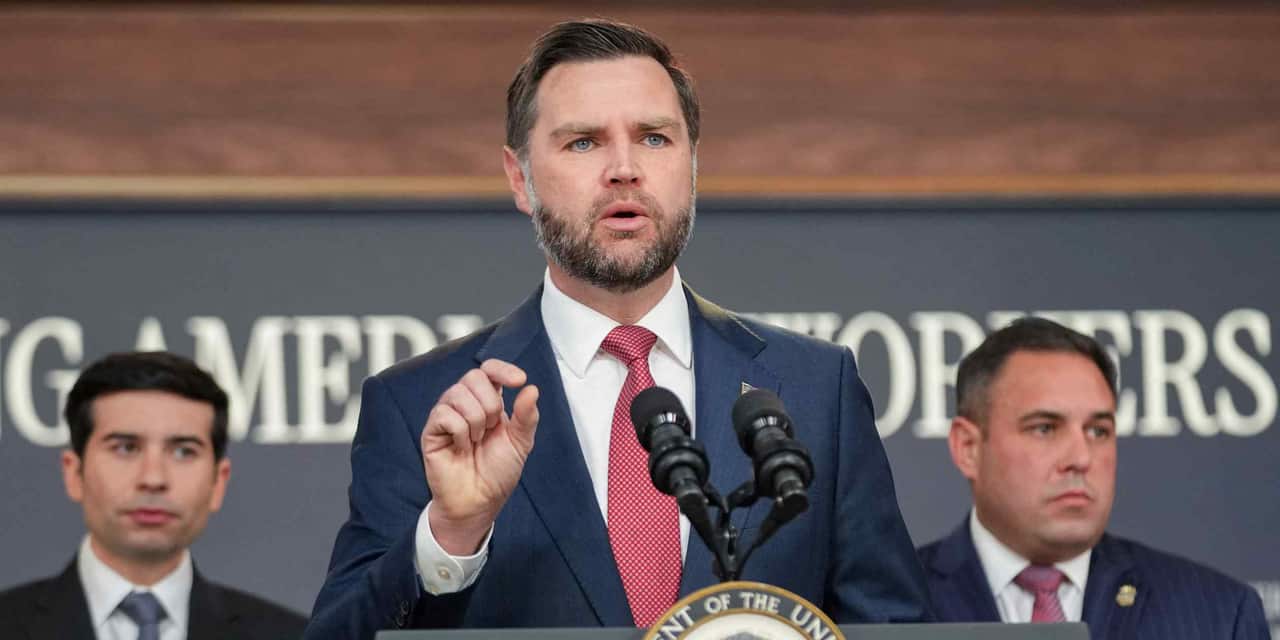
- Vice President JD Vance cited alleged fraud and the replacement of American workers as reasons for the suspension.
- The PERM program allows employers to sponsor foreign workers for permanent residency after certifying no qualified U.S. workers are available.
- Microsoft stated that 80% of its H-1B visa applications were for existing employees, not new hires.
- Companies like Cognizant, Infosys, Tata Consultancy Services, Wipro, HCL Technologies, and Capgemini are affected.
The U.S. government has suspended major global technology and IT firms, including Microsoft and Adobe, from a key green card program that allows skilled foreign workers to gain permanent residency through employment. Senior U.S. officials cited alleged fraud and the replacement of American workers as the reasons behind the move, characterizing it as the latest step in the Trump administration's crackdown on skilled foreign labor.
The suspension targets the Permanent Labor Certification (PERM) program, a crucial employer-sponsorship mechanism for many technology and outsourcing firms. Under PERM, the Department of Labor must certify that no qualified U.S. workers are available for a job and that hiring a foreign worker will not negatively impact the wages and working conditions of similarly employed Americans.
Vice President JD Vance stated that companies have been using the program to replace American employees with foreign workers and undercut their wages. He specifically criticized Microsoft, suggesting that for every American worker laid off, the company replaced them with "one and a half foreign indentured servants." Microsoft has disputed these accusations, noting that 80% of its H-1B visa applications are for existing employees, not new hires.
Other affected companies include Cognizant, Infosys, Tata Consultancy Services, Wipro, HCL Technologies, and Capgemini. Companies like Meta, Amazon, and Alphabet's Google remain unaffected by this suspension.
Experts have warned that such policies could make the U.S. less competitive by deterring highly skilled foreign talent, potentially leading them to work abroad instead. The PERM program is a primary route for talented foreign workers to secure permanent residency in the U.S., and its curtailment could encourage skilled individuals to seek opportunities elsewhere.