Key facts
- Flavio Bolsonaro, who topped Brazil's first-round presidential vote, faces President Luiz Inacio Lula da Silva in a runoff.
- Investors and executives are concerned that a Bolsonaro administration may not maintain current climate policies.
- Lula's administration has positioned Brazil as a hub for climate finance, attracting private capital into green projects.
- Bolsonaro has promised to strengthen the regulated carbon market but has made past remarks questioning the direct link between human influence and extreme weather events.
- The BNDES has provided approximately 15 billion reais in loans and investments for forest recovery and protection projects.
- Brazilian carbon credits are traded by businesses with self-imposed emissions goals, with a regulated market set to launch.
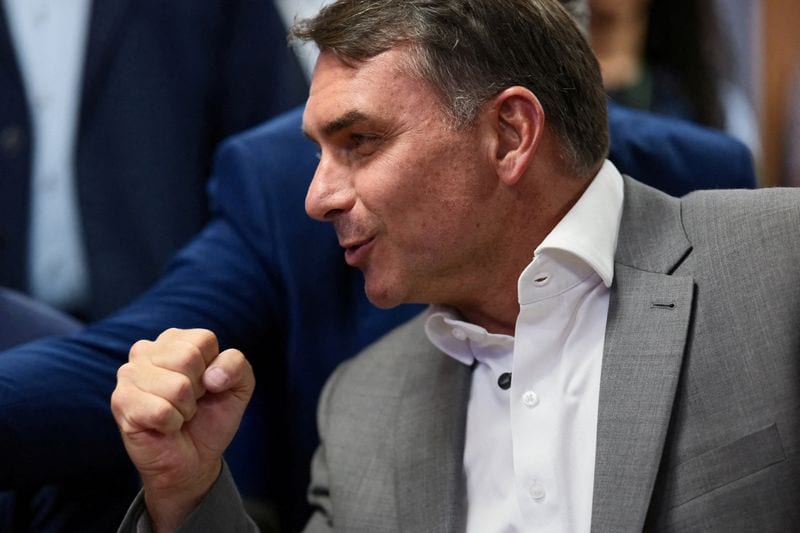
Brazil's upcoming presidential runoff election has sparked concerns among investors, executives, and climate-focused businesses regarding the future of the country's green economy policies. Conservative Senator Flavio Bolsonaro, who secured a stronger-than-expected performance in the first round, faces off against incumbent President Luiz Inacio Lula da Silva on October 25.
Lula's administration has actively promoted Brazil as a center for climate finance, launching initiatives to attract private investment into green projects and establishing the framework for a regulated carbon market. Industry leaders have urged Bolsonaro not to abandon these programs, citing the potential economic benefits for Brazil's $2.6 trillion economy.
Concerns about Bolsonaro's stance on climate change stem from past remarks, including describing extreme weather events as cyclical and not solely linked to human influence. His campaign proposals have largely omitted emissions-reduction targets, according to climate advocacy group Observatorio do Clima, which noted that his Senate track record is at odds with fighting deforestation or bolstering environmental enforcement.
A spokesperson for Bolsonaro's campaign stated that his environmental agenda would be further developed during a transition period and declined to comment on maintaining Lula's green finance initiatives. The spokesperson added that Bolsonaro would prioritize market-based conservation incentives and efforts to combat environmental crimes, aiming to eliminate illegal deforestation by 2029, a year earlier than Lula's target.
During Jair Bolsonaro's presidency from 2019 to 2022, environmental protections were weakened, leading to increased deforestation in the Amazon. Lula's government has since supported the carbon-removal industry through loans and investments from the BNDES, with pledges to expand climate finance tools like Eco Invest, which has mobilized 190 billion reais since 2024.
Industry experts believe the economic advantages of the climate agenda are significant and may ensure continuity regardless of the election outcome. Gabriel Silva, CEO of carbon-removal startup Mombak, noted that the climate agenda's strategic importance for the country does not depend on a single political party. Brazil is also preparing to launch a regulated carbon market, allowing companies to buy credits to meet decarbonization targets and trade them internationally.
Support from businesses, including major players like Petrobras and Vale through the Brazilian Business Council for Sustainable Development (CEBDS), could also encourage Bolsonaro to maintain the program. Daniela Mignani, CEBDS executive director for corporate management, highlighted the mobility of global capital invested in clean-energy technologies and the risk of regulatory uncertainty deterring investors.
Tereza Campello of BNDES emphasized the strong economic rationale behind Lula's climate agenda, particularly the growing demand for bioeconomy products such as certified timber, cocoa, and coffee from reforested areas, making it difficult to reverse. The BNDES forest program has provided approximately 15 billion reais in loans and investments for forest recovery and protection projects.