Key facts
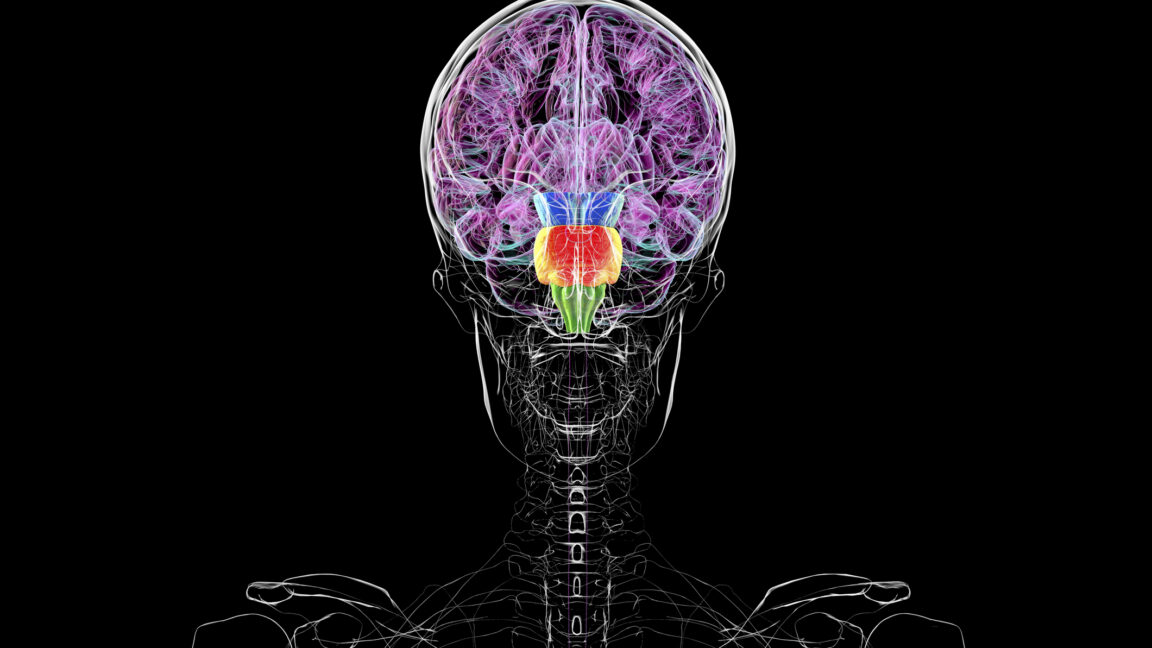
- Vertebrate nervous systems develop in four major segments: forebrain, midbrain, hindbrain, and spinal cord.
- Neural cells form from a thickening of the ectoderm, which then folds into a tube.
- New research used genetically modified mice with red and cyan fluorescent proteins to trace cell development.
- The study found that inherited positional information from the ectoderm sets boundaries for brain segments.
- In 96% of cases, descendants of single early ectoderm cells were all in the hindbrain or all in the midbrain/forebrain.
- Similar results were observed using human stem cells, demonstrating the role of positional information in neural development.
New research is clarifying how vertebrate nervous systems develop, specifically addressing the segmentation of the brain. Contrary to some sensationalized reports, the study does not suggest humans have two brains but rather illustrates the fundamental processes of developmental biology. The research focuses on how early positional information inherited by cells dictates their fate in forming distinct brain segments.