Key facts
- Tanker traffic in the Strait of Hormuz was four vessels on Tuesday.
- The 10-day moving average for tanker traffic in the Strait of Hormuz was 18.
- Owners and energy exporters are increasingly cautious navigating the Strait of Hormuz.
- Houthi attacks in the Red Sea have targeted Saudi shipments, including the East-West pipeline.
- Saudi Arabia may seek to increase shipments via the Strait of Hormuz.
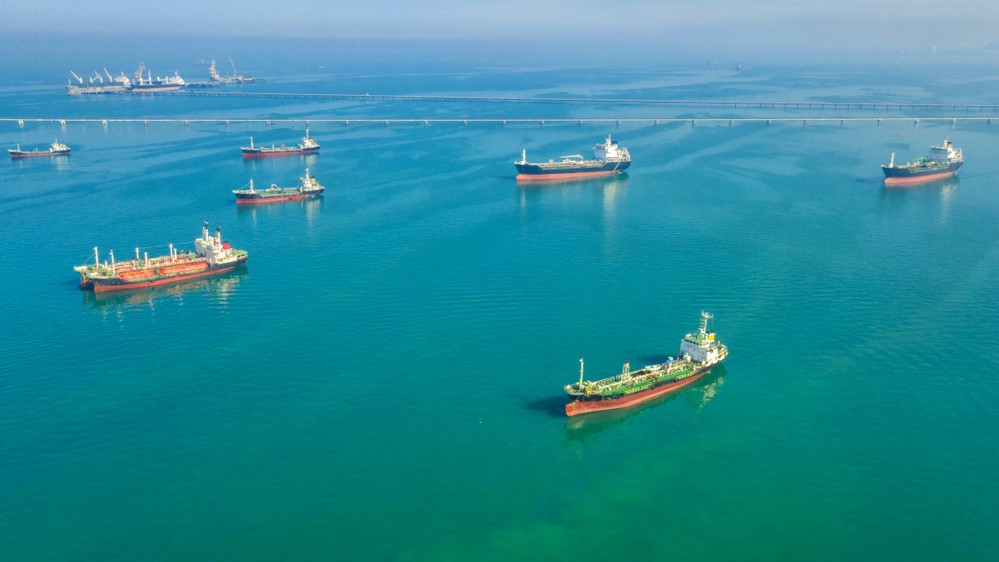
Tanker traffic in the Strait of Hormuz has significantly decreased, with only four vessels recorded traversing the waterway on Tuesday, a decline from seven the previous day, according to ship-tracking data cited by Reuters. This trend, with a 10-day moving average of 18, reflects heightened caution among ship owners and energy exporters due to escalating regional hostilities, including strikes on tankers and threats from Iran-aligned Houthis in the Red Sea.
The Houthis' recent attack on Saudi Arabia's East-West pipeline has reportedly led to crude oil loading cancellations from Yanbu. In response, Saudi Arabia is reportedly considering increasing shipments through the Strait of Hormuz, although the current low traffic numbers cast doubt on the feasibility of this plan. Reports on the repair time for the pipeline vary from a few days to several weeks.
The rate of tanker traffic via the Strait of Hormuz has been declining for weeks, falling from double-digit 10-day moving averages to below 10 in recent days. Even accounting for vessels that may have turned off their geolocation devices, traffic remains severely subdued.