Key facts
- At least two LNG carriers have transited the Strait of Hormuz this week.
- Two other LNG carriers conducted ship-to-ship transfers offshore Oman.
- LNG flows from the Middle East have been largely halted for six months.
- Pre-war, three LNG cargoes exited the Strait of Hormuz daily.
- Choked LNG flows have sent gas prices in Asia and Europe to their highest since the 2022-2023 energy crisis.
- Analysts expect LNG prices to rise further if the winter is colder than usual.
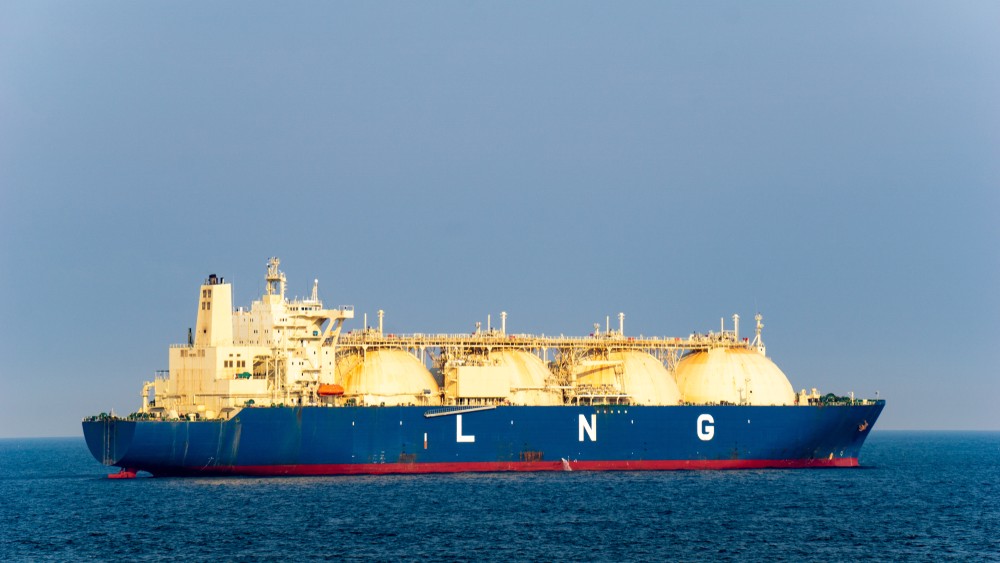
At least two LNG carriers have transited the Strait of Hormuz this week, while two others were detected to have engaged in ship-to-ship transfers outside the Strait offshore Oman, according to tanker-tracking and satellite data compiled by Bloomberg. The increased activity signals that LNG exporters in the Persian Gulf, primarily Qatar and the United Arab Emirates, are intensifying efforts to supply the market after months of near-total halt of shipments through the chokepoint. While oil flows from the Strait of Hormuz have recovered to about two-thirds of pre-war levels, LNG flows have been mostly at a standstill over the past six months. Unlike crude oil, it is more difficult to shuttle-ship LNG through Hormuz and then reload it via ship-to-ship transfers. However, at least three such transfers of LNG cargoes offshore Oman have been spotted via satellite images over the past month. In pre-war times, three LNG cargoes per day exited the Strait of Hormuz. The choked LNG flows from the Middle East in the past six months have sent gas prices in Asia and Europe to their highest levels since the 2022-2023 energy crisis, as buyers compete for available supply that does not require transit through the Strait of Hormuz. The LNG market is tightening as winter approaches and Europe seeks to refill gas storage sites. Analysts and industry executives suggest LNG prices have room to rise by about a third from current high levels if the winter is colder than usual, given low European gas inventories and fierce competition for spot supply between Europe and Asia.