Key facts
- Commodity vessel traffic through the Strait of Hormuz was down to three vessels in the past day.
- This traffic is 80% below the 10-day moving average of approximately 15 vessel transits.
- The reduced traffic excludes vessels that have switched off their positioning systems.
- Owners and exporters are navigating cautiously due to re-escalated hostilities, including strikes on tankers.
- Saudi Arabia restored partial service on its East-West pipeline, allowing crude oil to bypass Hormuz.
- Twenty-two commodity vessels transited the Bab el-Mandeb Strait in the past day.
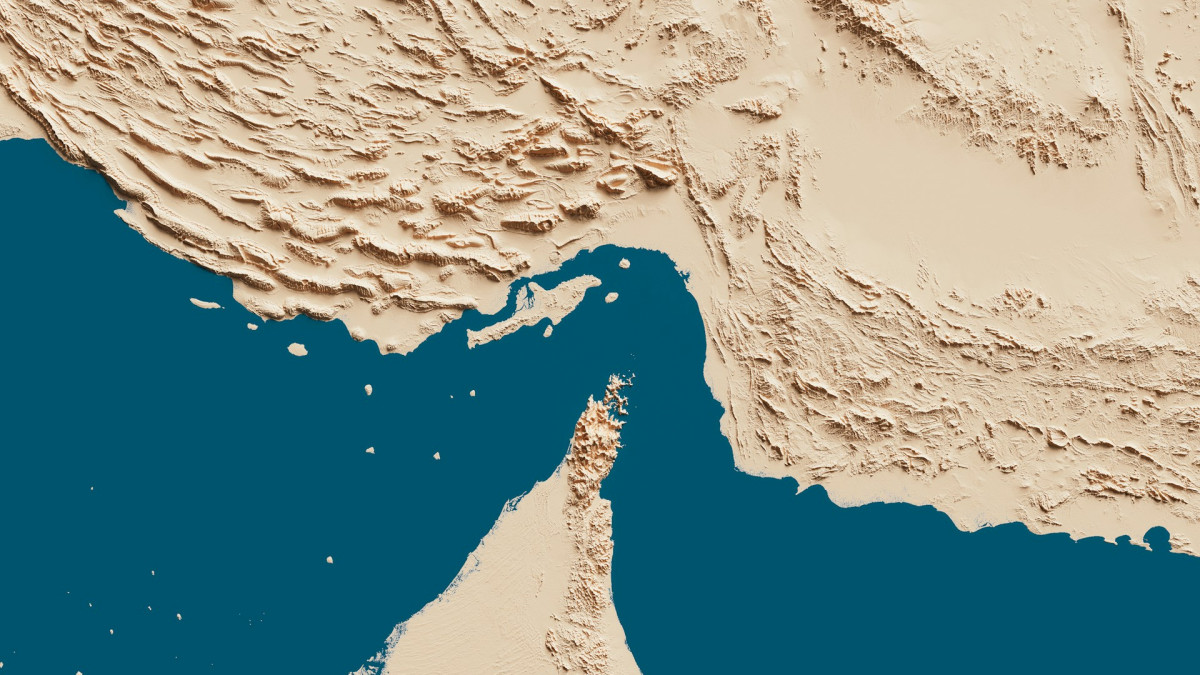
Commodity vessel traffic through the Strait of Hormuz has significantly decreased, with only three vessels recorded transiting the waterway in the past day, according to preliminary data from Kpler. This represents an 80% drop from the 10-day moving average of approximately 15 vessel transits.
The reduced traffic reflects heightened security concerns among ship owners and energy exporters navigating the vital chokepoint amid escalating regional hostilities. These concerns include recent strikes on tankers and threats from Iran-aligned Houthis in the Red Sea.
In response to potential disruptions, Saudi Arabia has restored partial service on its East-West pipeline. This allows the kingdom to bypass the Strait of Hormuz and ship crude oil from its Red Sea port of Yanbu.
Meanwhile, traffic through the Bab el-Mandeb Strait appears more consistent, with 22 commodity vessels moving in either direction in and out of the Red Sea over the past day, averaging 26 vessels daily over the last 10 days.
The oil market is also awaiting potential developments from diplomatic discussions between U.S. and Iran representatives on the sidelines of the UN General Assembly in New York.