Key facts
- Middle East crude oil exports reached 12.8 million barrels per day this month.
- Saudi Arabia's daily exports averaged 5.4 million barrels.
- Exports from Saudi Arabia's Ras Tanura port were 3.6 million barrels daily.
- Total Gulf producer exports reached 13.2 million barrels on Wednesday.
- Tanker movements in the Strait of Hormuz dropped below 10 last week.
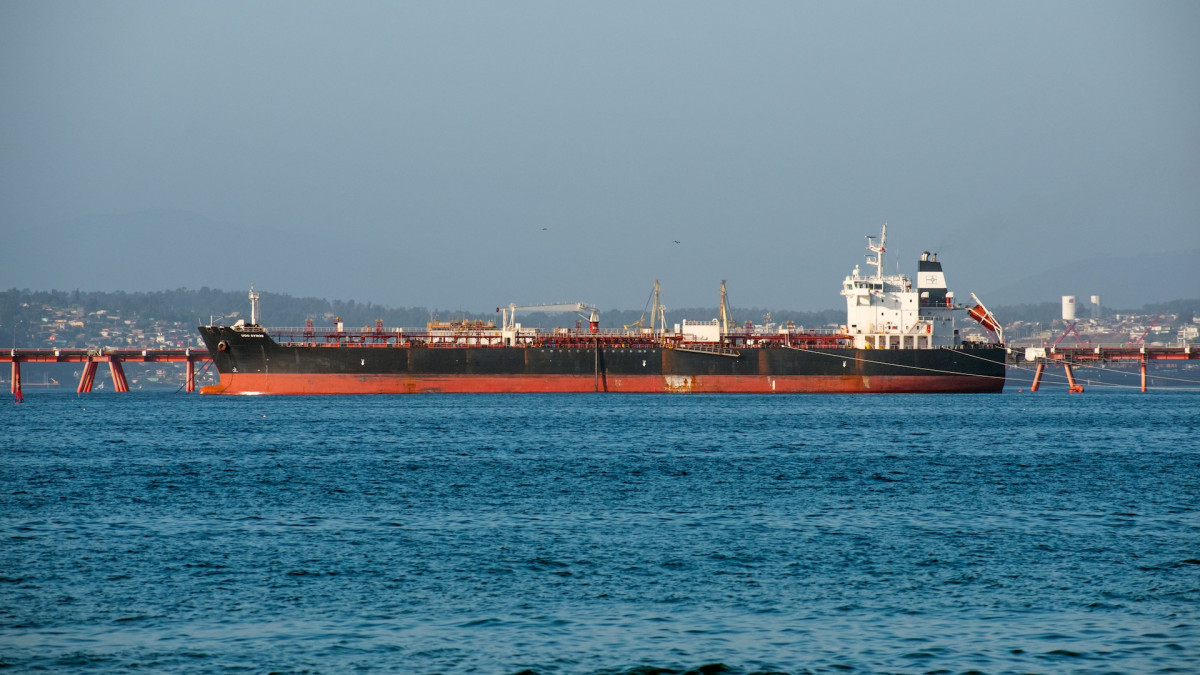
Crude oil exports from the Middle East have rebounded to 12.8 million barrels per day this month, according to preliminary data from Kpler. The increase was primarily driven by Saudi Arabia, which rerouted oil flows from western destinations to the east, loading crude onto tankers in the Gulf of Oman via ship-to-ship transfers. Saudi Arabia's daily exports averaged 5.4 million barrels, with 3.6 million barrels per day originating from the Ras Tanura port. This level is comparable to the country's average daily exports for 2025. Other Gulf producers also contributed to the rise, with total daily exports from the region reaching 13.2 million barrels on Wednesday. Matt Smith, Kpler's director of commodity research, stated that the ramp-up from the Mideast Gulf is a consequence of a pipeline outage and likely indicates increased confidence in using the Strait of Hormuz due to rising traffic. Despite the improvement, overall daily oil flow rates remain lower than the approximately 17 million barrels per day recorded before the war began. Tanker tracking data shows a decrease in traffic through the Strait of Hormuz, with movements dropping below 10 last week from a 10-day moving average of 18. However, some vessels are reportedly using "dark mode" to avoid detection and potential attacks. Iranian media reported explosions in Hormuz over the weekend, with suggestions of missiles being fired at vessels in the waterway.