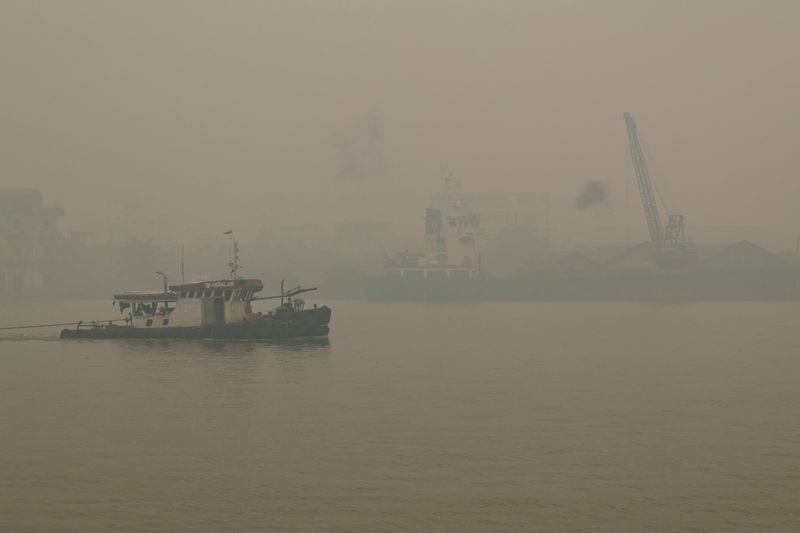
Indonesia is grappling with its most intense wildfires in 11 years, with the Forestry Minister, Raja Juli Antoni, stating on Wednesday that the fires could persist until early November. This extended duration is attributed to a delayed rainy season, now forecast to begin in late October or early November, a month later than initially estimated. The "super El Niño" weather phenomenon has parched the country's forests and fields, exacerbating the seasonal fire outbreaks, particularly on the islands of Borneo and Sumatra.
Antoni urged individuals, farmers, and corporations to cease using fire for land clearing during this critical period. The severe air quality resulting from the fires has led to a significant increase in respiratory illnesses, with cases in seven affected provinces more than doubling to 113,336 between September 1 and September 9. Residents of West Kalimantan have been particularly affected by hazardous emissions. The transboundary haze has also impacted air quality in neighboring Malaysia and Singapore.
In response, Indonesia has intensified its firefighting efforts, deploying over 50 aircraft for water bombing and cloud seeding operations. Japan has contributed three CH-47 Chinook helicopters to assist in combating the blazes.