Key facts
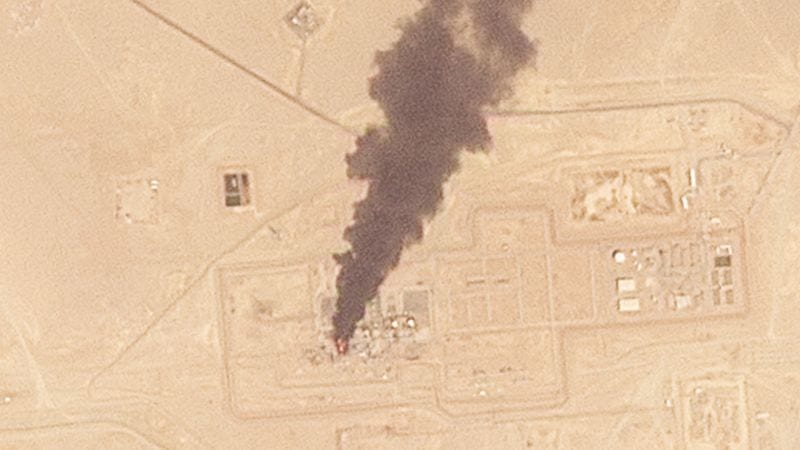
- Two pumping stations on Saudi Arabia's East-West Pipeline were damaged in a drone attack.
- The pipeline's damage raises near-term risk to crude exports, with repairs expected to take several weeks.
- Saudi Arabia has about one week of crude stocks at its ports to sustain exports.
- The Houthi advance along Yemen’s Red Sea coast increases risk to tanker transit.
- The Federal Reserve raised interest rates by 25 basis points to 3.75%-4.00%.
- Fed officials projected one additional rate increase before year-end.
Oil prices experienced a pullback but remained elevated as geopolitical tensions and supply concerns continued to influence the market. The damage to Saudi Arabia's East-West Pipeline, a crucial alternative export route, has heightened near-term risks to crude exports, with repairs expected to take several weeks. This disruption, coupled with ongoing tensions in the Red Sea and Strait of Hormuz, is expected to keep oil prices supported.
Adding to market dynamics, the Federal Reserve implemented its first interest rate hike since 2023, raising rates by 25 basis points to a range of 3.75% to 4.00% in response to renewed inflationary pressures. Fed officials also signaled the possibility of one additional rate increase by year-end. While higher rates typically act as a headwind for oil prices by cooling economic activity, analysts at Standard Chartered believe that the persistent US-Iran stalemate and increasing physical risks to regional exports will maintain a higher floor for oil prices.
The diplomatic meeting between Iran and Gulf Arab states concerning commercial shipping through the Strait of Hormuz was postponed due to a lack of Arab consensus. This postponement dashed hopes for near-term de-escalation. Meanwhile, Iran-aligned Houthi forces in Yemen have intensified their campaign, seizing territory and launching drone and missile strikes against Saudi infrastructure, including a key pumping station on the East-West oil pipeline. The pipeline's vulnerability, alongside heightened risks in the Red Sea and Bab el-Mandeb strait, could lead to increased war-risk insurance, freight, and rerouting costs for Gulf oil shipments.