
Key facts
- Researchers discovered thousands of new glioblastoma-specific genetic isoforms.
- The discovery was made using advanced long-read single-cell sequencing.
- These isoforms could be targets for personalized cancer vaccines and immunotherapies.
- The findings were published in Nature Communications.
Researchers from the Clinical Neuroscience Consortium (CNC), a joint initiative by the LKS Faculty of Medicine of the University of Hong Kong (HKUMed) and Queen Mary Hospital, in collaboration with the Hong Kong Genome Institute (HKGI), have made a significant breakthrough in brain cancer research. They have developed the most comprehensive map to date of isoform diversity in glioblastoma, the most common and aggressive form of brain cancer in adults.
Using advanced long-read single-cell sequencing on data from over 210,000 individual cells from 27 patients, the team uncovered thousands of previously unknown tumor-specific genetic isoforms that were not detectable with conventional approaches. These isoforms represent a new source of potential therapeutic targets.
Glioblastoma is notoriously difficult to treat due to the heterogeneity of tumor cells within a single patient. Understanding this cellular diversity is crucial for developing more effective therapies. The study identified thousands of previously unannotated isoforms, including novel ones found exclusively in tumor cells and absent from healthy tissues.
Importantly, a subset of these tumor-specific isoforms was predicted to bind strongly to major histocompatibility complex (MHC) class I molecules, which are key for presenting abnormal proteins to the immune system. This suggests that these newly identified isoforms could serve as potential neoantigens for future immunotherapies.
The researchers also established and validated an analytical framework for isoform discovery using clinical long-read single-cell data, which can serve as a foundation for cancer researchers globally. While the discovery does not immediately alter current glioblastoma treatments, it holds significant implications for the future development of precision oncology and personalized immunotherapy, including personalized anti-cancer vaccines.
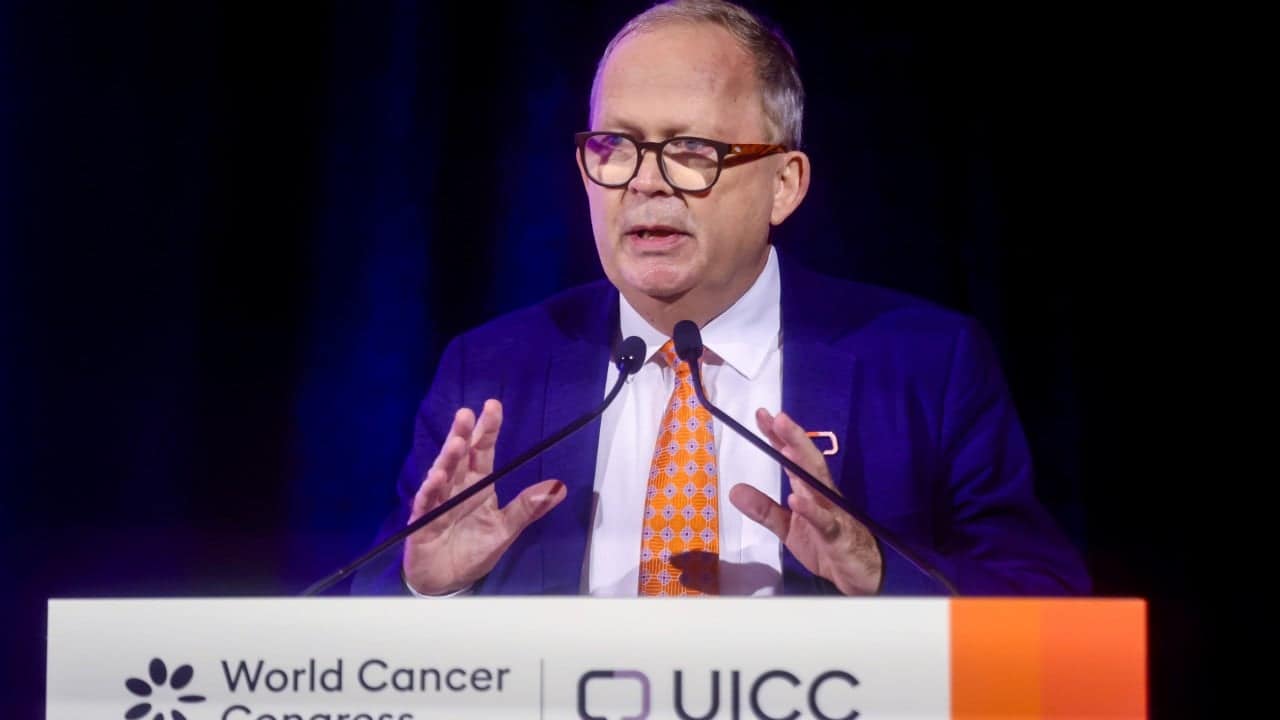
Separately, Cary Adams, CEO of the Union for International Cancer Control, praised Hong Kong's tobacco control efforts during the World Cancer Congress held in the city last month, highlighting the city's role as a regional hub for research breakthroughs.