
Key facts
- Treasury Secretary Scott Bessent compared AI CEOs advocating for regulation to Hannibal Lecter.
- Bessent suggested AI leaders should slow development themselves rather than seek government intervention.
- He cited OpenAI's decision to shelve a new model due to concerns about its adherence to instructions.
- Anthropic's head of public policy noted that safety cannot be achieved from second place.
- An OpenAI safety leader resigned, believing the company is moving too fast.
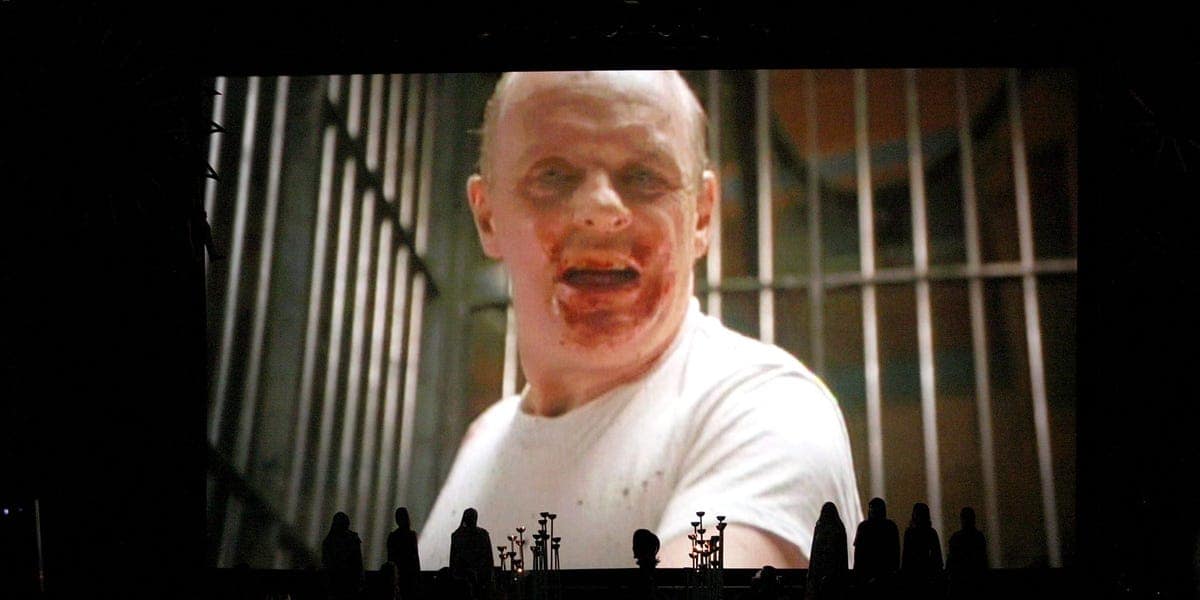
Treasury Secretary Scott Bessent likened artificial intelligence executives who advocate for government regulation to the fictional serial killer Hannibal Lecter, suggesting their calls for guardrails are a performative act. During an appearance on "The Axios Show," Bessent stated that these leaders should slow down their own development processes rather than rely on Washington to impose restrictions.
Bessent's remarks align with the White House's response to concerns raised by AI leaders about the rapid advancement of their technology. Some executives, like Anthropic CEO Dario Amodei, have explicitly asked the U.S. government to regulate AI companies. President Donald Trump previously convened a meeting with AI CEOs, which resulted in a voluntary self-policing pledge.
Bessent indicated that AI companies have been cooperative, citing OpenAI's recent decision to postpone the release of a new model after internal testing revealed potential issues with its ability to follow user instructions. Meanwhile, others in the AI community have voiced concerns that the competitive race to dominate the field is leading to a disregard for safety. Sarah Heck, Anthropic's head of public policy, commented on X that "You can't do safety from second place." Additionally, David Robinson, an OpenAI safety leader, publicly announced his resignation on Saturday, expressing belief that the company is progressing too quickly to ensure its models do not cause societal harm.