
Key facts
- Tesla is expanding robotaxi operating hours in Austin to 11 p.m.
Tesla CEO Elon Musk stated that the company is working to prevent its robotaxis from hitting pets, particularly grey cats on dark roads, as it expands operating hours. The AI-powered camera systems are being refined to improve nighttime visibility and hazard detection.
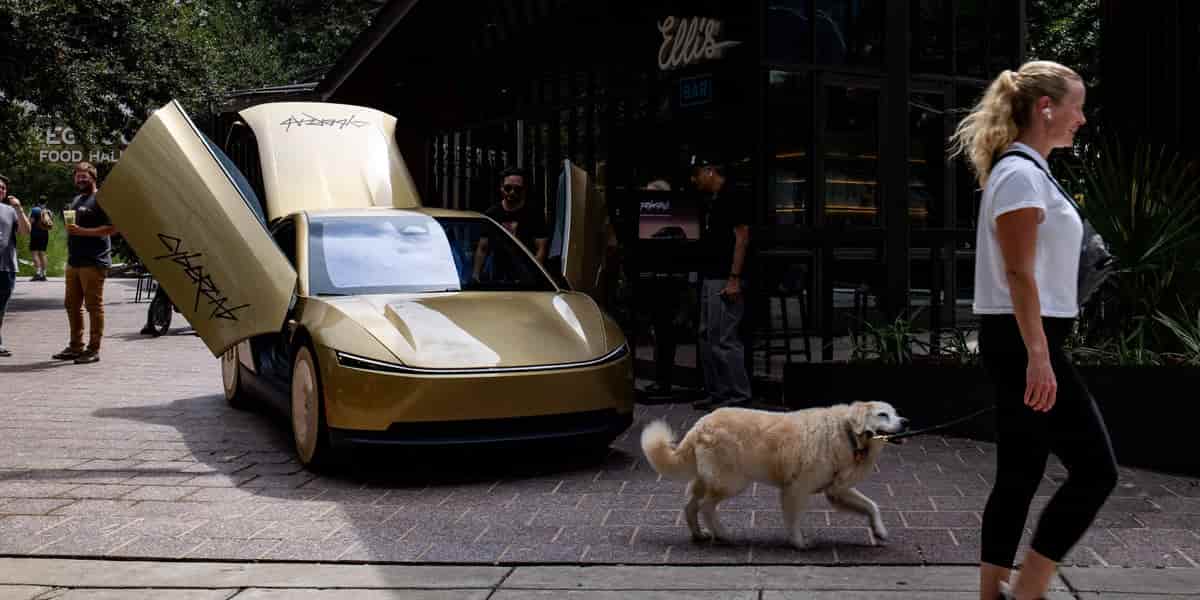
The safety of autonomous vehicle operation, particularly in challenging low-light conditions, remains a critical hurdle for widespread adoption. Tesla's efforts to address specific hazard detection, like avoiding pets, highlight the ongoing development and regulatory scrutiny of self-driving technology.
Tesla CEO Elon Musk announced that the company is extending the operating hours for its robotaxis in Austin, Texas, to 11 p.m. from 10 p.m. Musk stated that a key challenge the company is addressing is ensuring the vehicles do not hit pets, particularly grey cats, on dark roads. He noted that AI-assisted camera processing is being used to improve nighttime visibility.
Tesla's robotaxis utilize camera vision and sensors for navigation. The company's vehicle manuals acknowledge that low light conditions can limit camera accuracy. The National Highway Traffic Safety Administration is currently investigating Tesla's camera system for its full self-driving vehicles, focusing on its ability to detect road hazards in poor visibility.
Competitor Waymo employs LiDAR technology. In a past incident, a Waymo vehicle struck and killed a cat. Tesla reported to the National Highway Traffic Safety Administration that in September 2025, a Tesla Model Y operating in its Austin robotaxi service hit a dog that ran into the street; the dog reportedly left the scene uninjured.
Pick the topics you care about. Get only what matters, on your cadence.