
Key facts
- Autonomous vehicle designers are exploring how interior design and AI assistants can prevent inappropriate rider behavior.
- The absence of a human driver in robotaxis can lead to a false sense of privacy among passengers.
- Content creators may view robotaxis as cheap, soundproof studios for adult content.
- Transparent seating and AI assistants are potential design solutions to deter inappropriate behavior.
- Cultural differences and varying legal frameworks in different countries pose challenges for robotaxi services.
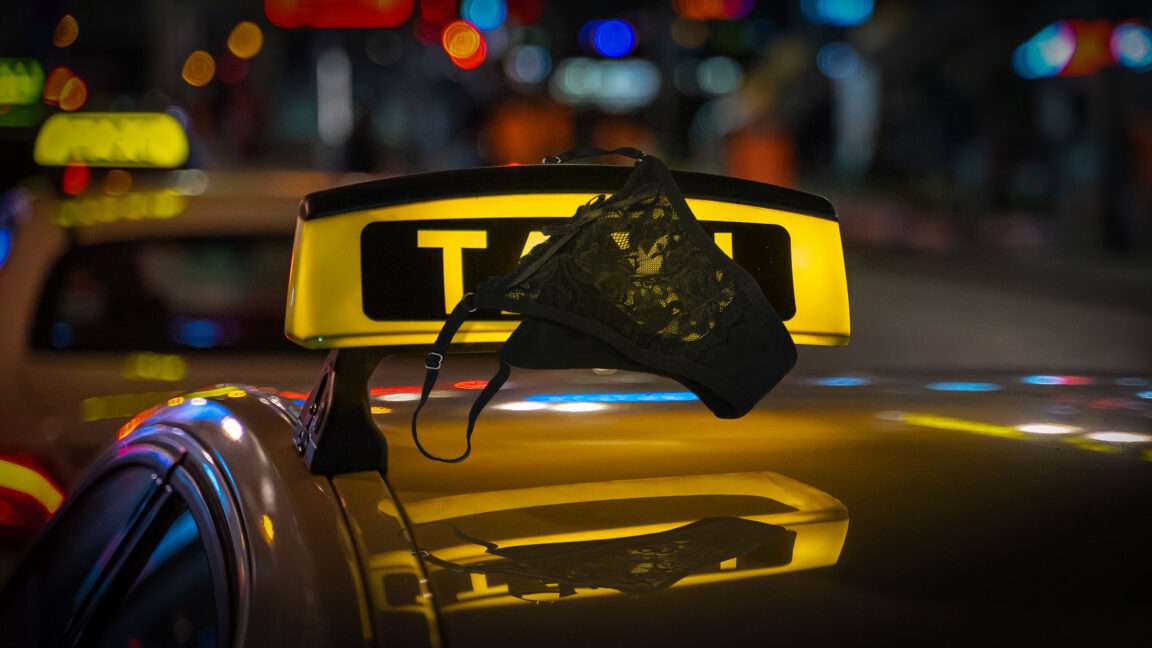
Autonomous vehicle designers face the challenge of preventing passengers from engaging in inappropriate behavior, such as sexual acts, within robotaxis, a phenomenon that has already been documented in self-driving vehicles and ride-sharing services. Researchers and industry professionals gathered in Sweden for a workshop titled 'Love in Traffic' to explore how design can mitigate these issues. Alexandros Rouchitsas, a human factors/UX researcher involved in the workshop, noted that the removal of a human driver can create a false sense of privacy for riders, leading to behavior they might not exhibit in other public settings.