
Key facts
- Hong Kong plans to build an 'AI City Brain' system to improve urban management and emergency response.
- The system will integrate data from transport, public works, environmental monitoring, and emergency response.
- A dedicated task force will be established to develop the platform.
- The initiative aims to enable departments to receive real-time information for better city management.
- AI will also be used to optimize public rental housing estate management and hospital services.
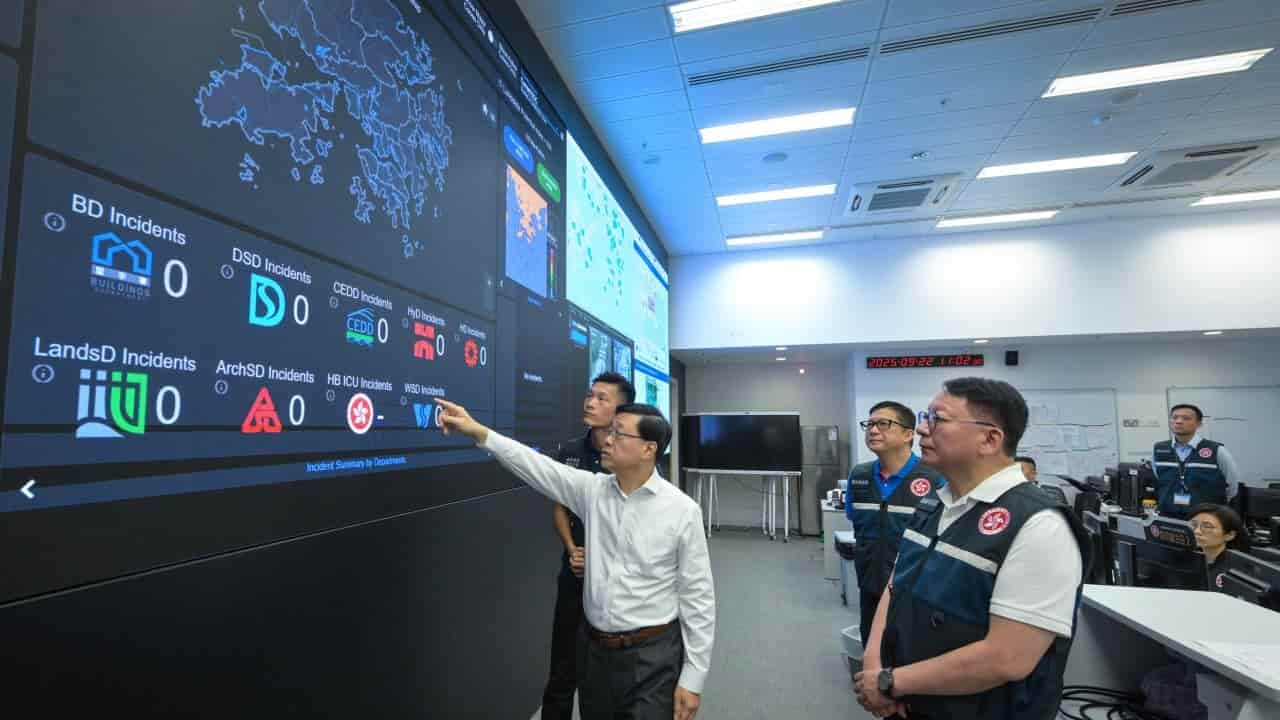
Hong Kong is set to develop an 'AI City Brain' system, as announced by Chief Executive John Lee Ka-chiu in his latest Policy Address. This initiative aims to create an integrated platform that links data across various government sectors, including transport, public works, environmental monitoring, and emergency response. The goal is to enhance proactive risk management and improve the coordination of city services.
The 'AI City Brain' system is intended to provide departments with real-time information, thereby strengthening their capabilities in daily city management and emergency handling. A dedicated Task Force on the 'AI City Brain' System will be established to oversee the development and implementation of the platform. The initial phase will involve integrating the digital infrastructure of the Security Bureau’s Emergency Monitoring and Support Centre.
Beyond city management, AI technologies will be deployed to optimize broader public services. This includes improving public rental housing estate management and leveraging AI within the Hospital Authority to streamline service arrangements and reduce patient triage times. The government also plans to expand drone applications for emergency response and crime prevention.
In parallel, the government is launching a water supply network upgrading program to replace aged water mains, with an average target of 70km per year over the next five years, doubling the previous target. An Intelligent Water Network Closed-loop Management Chain will also be established for AI-driven predictive maintenance. Additionally, the 1823 hotline services will be upgraded to ensure prompt referral and successful resolution of inter-departmental service requests and complaints, shifting towards a more proactive response model.