Key facts
- Users want AI agents that anticipate needs, not just execute assigned tasks.
- AI agents are seen as most helpful for personal and family administrative tasks.
- Current AI agents often require detailed, step-by-step instructions.
- The concept of an AI 'wife' is a useful shorthand for AI that alleviates mental load.
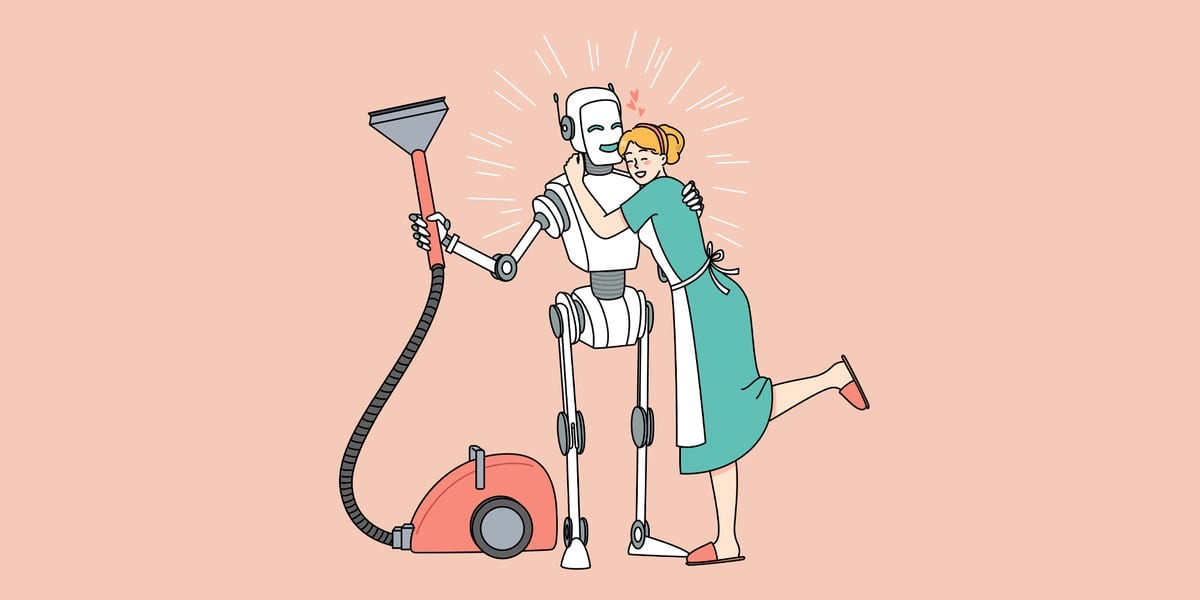
The conversation around artificial intelligence is evolving beyond simple task execution, with users expressing a desire for AI agents that can proactively manage personal and family responsibilities. Marketing entrepreneur and podcaster Sonia Baschez recently gained traction for her statement that she wants AI agents to function as a 'wife'—anticipating needs—rather than a 'husband,' which she defined as an agent that only performs assigned tasks.
This sentiment resonates with the concept of the 'mental load,' often carried by mothers, which involves the constant cognitive effort of managing household and family logistics. While some AI agents are marketed as executive assistants capable of booking flights or making reservations, users like Baschez and the author find them more valuable for personal and family-related administrative work, such as handling school forms and scheduling.
However, current AI technology often falls short of this ideal, requiring users to provide detailed, step-by-step instructions. This can lead to frustration, as the effort to guide the AI sometimes feels more burdensome than completing the task oneself. Baschez highlighted that women, in particular, are looking for AI that can genuinely return time and reduce the emotional labor and mental load associated with daily life.