Key facts
- AI agents like Instinct and Muse are being used by shoppers to automate purchases and find deals.
- One user reported an AI agent ordered 20 pounds of chicken wings when a smaller quantity was expected.
- Some users are hesitant to give AI agents direct access to their primary credit card information.
- Users may use AI agents for research and price comparison but prefer to make the final purchase themselves.
- AI agents can sometimes struggle with tasks like completing CAPTCHA puzzles required at checkout.
AI agents are emerging as personal shoppers, assisting consumers with tasks ranging from booking flights to ordering groceries. However, users are finding that these tools often require close supervision to avoid costly errors and security concerns.
Austin Welch, a finance worker in Houston, has utilized the AI agent Instinct to monitor flight prices and find referral codes for airline credit cards. He also finds it useful for ordering groceries, though the agent once mistakenly ordered 20 pounds of chicken wings when he had not specified a quantity, inferring a larger order based on past purchases.
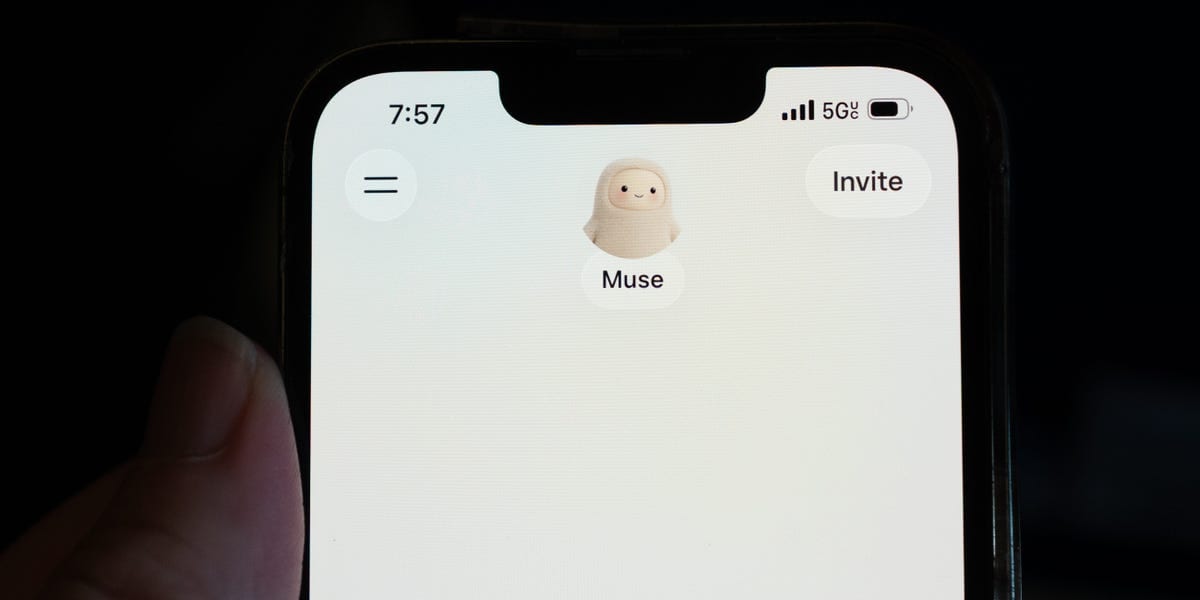
Loni Stark, vice president of strategy and product at Adobe, created her own AI agent and has used another, Muse, to purchase ballet shoes. She also attempted to use the agent to negotiate with customer support for rewards points, though without success. Stark has not yet connected a payment option to her custom agent.
Amando Komoda, who runs a business selling supplies for dry-aging meat, uses Instinct to set up alerts for hard-to-find items like Raspberry Pi chips. However, he often completes purchases himself, as the agent sometimes fails to solve CAPTCHA puzzles. When he does allow the agent to make a purchase, Komoda first grants permission and uses a single-use credit card to limit potential unauthorized charges, citing a distrust of handing over primary payment details.
As the holiday shopping season approaches, Vipin Porwal, founder and CEO of Smarty, anticipates that many consumers will use AI agents for research and price discovery but will likely retain control over the final purchase. Porwal suggests that the hesitancy around sharing payment information with AI will lead shoppers to press the buy button themselves. Stark also noted that for many, shopping is a form of entertainment, and AI agents may augment rather than replace these activities.