Key facts
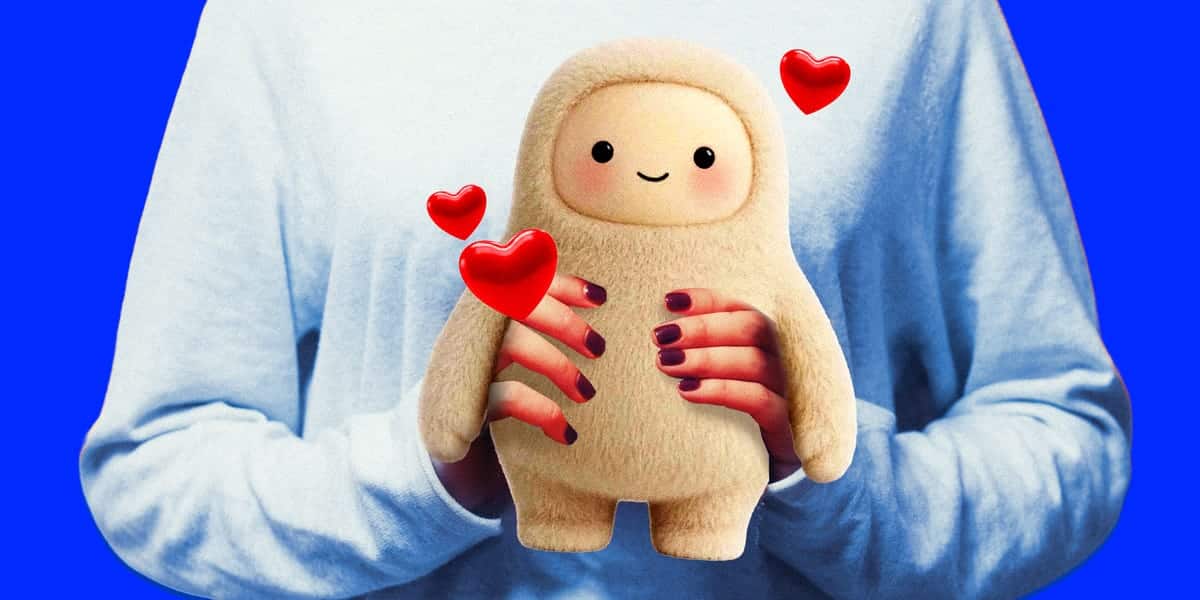
- Meta's AI mascot, Jolly, is described as a rotund, plush creature with rosy cheeks and big eyes.
- OpenAI's AI is represented by round, mouthless dots.
- Grok users have adopted a teal alien mascot named 'Groklet'.
- Cuteness stimulates pleasure centers in the brain and predisposes people to act socially towards cute things, according to Joshua Paul Dale.
- The aestheticization of powerlessness, where consumers feel they can wield power over something cute, can provide a sense of calm control, according to cultural theorist Sianne Ngai.
- Purdue Pharmaceuticals used plush toys in its campaign for OxyContin.
AI companies are increasingly adopting cute mascots to make their technology more approachable and to counteract public anxieties about the potential dangers of artificial intelligence. Meta's Muse AI mascot, Jolly, is described as a slightly rotund, plush creature with rosy cheeks, big eyes, and a toothless grin, capable of wearing clothes or headphones while performing tasks.
This trend extends to other AI platforms, with OpenAI using round, mouthless dots, Genspark featuring a fluffy lobster, and Grok users adopting a teal alien named 'Groklet.' These adorable and plushy characters are debuting at a time when public concern about AI's potential for harm is growing.
The strategy behind these mascots is to divert attention from AI doom-and-gloom scenarios and foster affection for the technology. They tap into fundamental human instincts, creating a sense of friendship and personal assistance, while also evoking nostalgia for digital companions like Tamagotchis or MySpace avatars. Joshua Paul Dale, founder of 'Cute Studies,' notes that cuteness stimulates pleasure centers in the brain, predisposing individuals to act socially towards it.
Historically, cuteness has been employed as a tool to manage collective unease and shape public perception. Following World War II, Japan used fluffy mascots, manga, and stationery to shift its image from an imperial power to an approachable cultural destination, exemplified by Hello Kitty. Cultural theorist Sianne Ngai describes cuteness as an 'aestheticization of powerlessness,' which can provide consumers with a sense of calm control. On a darker note, Purdue Pharmaceuticals used plush toys in its marketing for OxyContin, a tactic later deemed aggressive and inappropriate by the DEA.
AI companies are leveraging the persistent power of cuteness to make interactions more engaging. For instance, Rebecca Kowalewicz found Meta's Muse AI more enjoyable than other platforms, reminding her of choosing a MySpace avatar. She even used the software to generate an animated version of her late dog, Doctor Watson, which she feels increases her inclination to use the platform, likening the experience to having a 'work bestie.'