Key facts
- Galaxy Robot Park in Seoul features humanoid robots dancing to K-pop.
- The park offers robot baristas, portrait drawing, and boxing robots.
- Galaxy Corporation plans to host over 1,000 K-pop robot concerts annually.
- The company aims to deploy K-pop robots for performances in locations inaccessible to human stars.
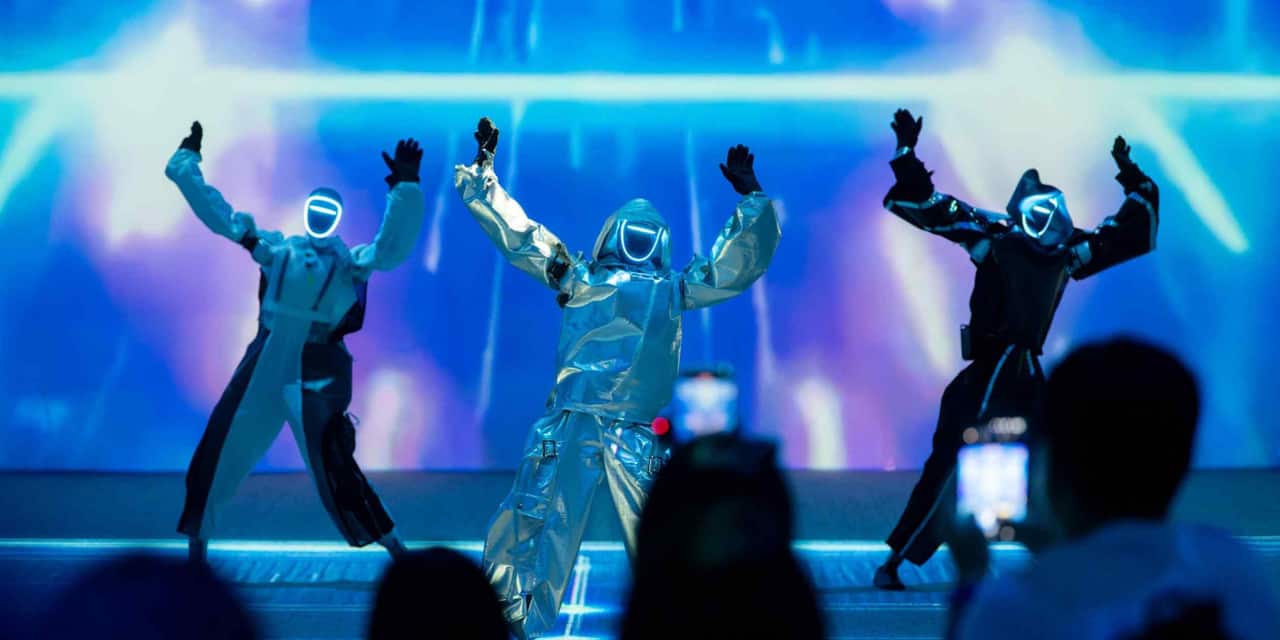
South Korea is witnessing a proliferation of entertainment venues showcasing advanced robots powered by physical artificial intelligence. Galaxy Robot Park, a 16,500 square meter facility in Seoul's Gangdong district, opened in August 2026 and offers visitors a chance to experience AI through robot baristas, portrait-drawing machines, and humanoid robots performing K-pop alongside human dancers.
The park's creator, Galaxy Corporation, an "enter-tech" firm that manages K-pop stars like G-Dragon, aims to position robots as entertainers. The opening show featured four child-sized humanoid robots dancing to songs by G-Dragon and Taemin. Galaxy Corporation's chief executive, Choi Yong-ho, stated plans for three to six K-pop concerts daily, totaling over 1,000 shows annually, with a potential world tour by the end of 2026.
Beyond the stage performances, the park offers other robot-driven experiences. Robot valets greet guests, robotic dogs roam outdoor areas, and a robotic arm draws portraits. Visitors can also control humanoid fighters in a boxing ring through a mirroring system. Galaxy Corporation also announced plans for a robot fashion show and the launch of a robot fashion label.
Music critic Cha Woo-jin expressed skepticism about the global appeal of robot K-pop concerts, suggesting that while K-pop's visual model might make robots less alien than in other genres, the essential ingredient of emotional connection with fans remains a question. He noted that a robot tour could function like a cover dance crew but without the associated costs.
The broader vision for Galaxy Corporation includes deploying K-pop robots to locations inaccessible to human performers, such as war zones, enabling simultaneous global performances. However, the long-term viability of such ventures hinges on factors like pricing, programming refresh rates, and audience reception to robot-led entertainment.