Key facts
- Former lawmaker Yoo Seong-min advocates for abolishing military exemptions for athletes and artists.
- Yoo questioned the fairness of BTS serving in the military while Asian Games gold medalists are exempt.
A former South Korean lawmaker has called for the abolition of military service exemptions for athletes and artists, citing the case of K-pop group BTS. Yoo Seong-min argued that the current system, which grants exemptions for achievements like winning an Asian Games gold medal, is unfair and outdated, suggesting alternative ways to reward national achievements.
The debate highlights deep-seated concerns about fairness and equality in South Korea's universal conscription system, potentially impacting national sentiment and the perceived value of military service.
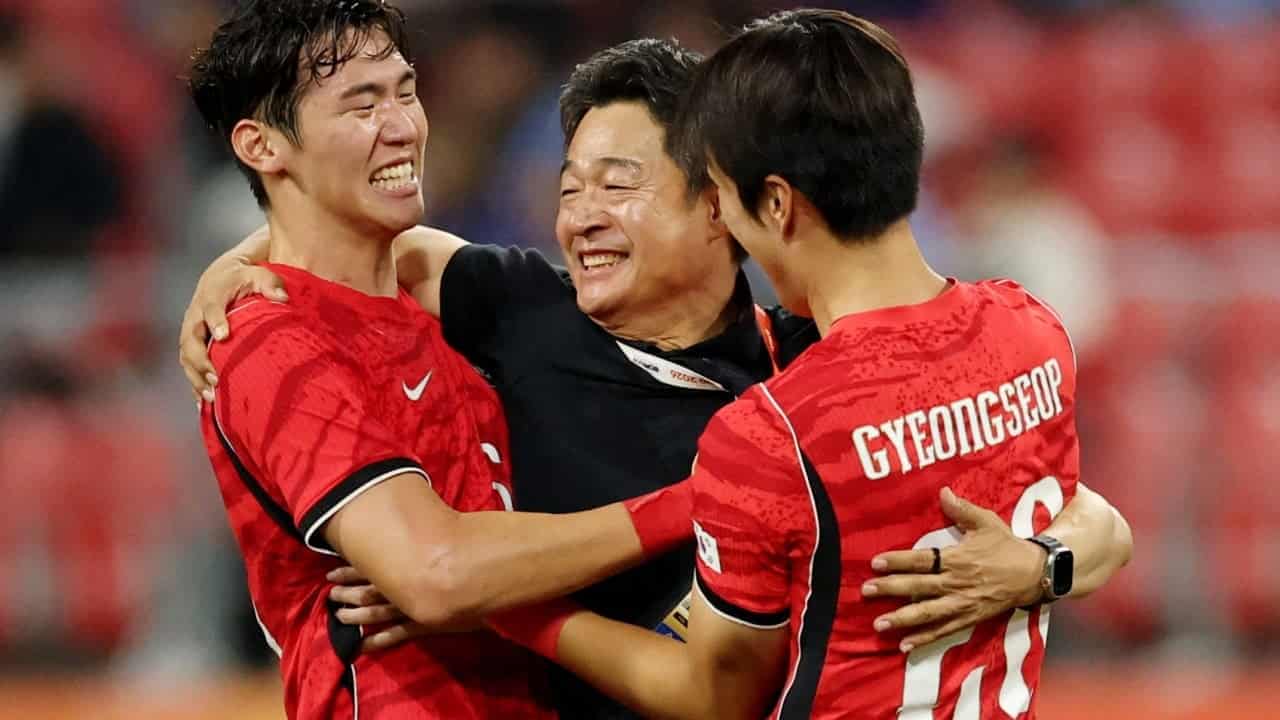
Former South Korean lawmaker Yoo Seong-min has called for the complete abolition of the military service exemption system for athletes and artists, arguing that it is unfair and outdated. His remarks come amid controversy over comments made by members of South Korea's men's football team, who recently won their fourth consecutive Asian Games title, regarding the military benefits they received.
Yoo stated on Facebook that the "flippant remarks and behavior of football and baseball players who won gold medals at the Asian Games over military exemption have provoked resentment among many people." He emphasized that the issue is not about individual players but about the principle and system of military exemptions.
"Looking solely at the effect of enhancing national prestige, there are few young people who have done as much as BTS," Yoo said, questioning the fairness of the K-pop group having to serve while Asian Games gold medalists are exempt. He argued that using military service as an incentive for sports and arts achievements is a flawed concept, suggesting that the state itself is treating military service as something to be avoided.
The current system, introduced in 1973, allows individuals who achieve outstanding results in arts or sports to serve alternative forms of duty. This typically applies to those who win a top-three Olympic medal or a first-place finish at the Asian Games, as well as top prizes at certain recognized art competitions. Yoo pointed out that even with the same gold medal, controversies over fairness will persist, regardless of the competition's prestige or whether silver and bronze medalists are included.
He suggested that sports and the arts can be supported through other means, and while outstanding athletes and artists may receive rewards, using military service itself as a form of reward is excessive. Yoo cited Article 39 of the Constitution, which mandates national defense for all citizens, and stressed that fairness and equity in military service obligations are paramount in a country with a universal conscription system. He concluded that eliminating the line for exemptions altogether is the right approach.
Pick the topics you care about. Get only what matters, on your cadence.