Key facts
- The National Assembly began its annual audit of government agencies on Tuesday, October 6, 2026.
South Korea's National Assembly commenced its annual audit of government agencies on Tuesday, with rival parties poised to debate the Supreme Court chief's refusal to recommend a new justice nominee and the transfer of North Korean prisoners of war from Ukraine. The audit is scheduled to run until October 27.
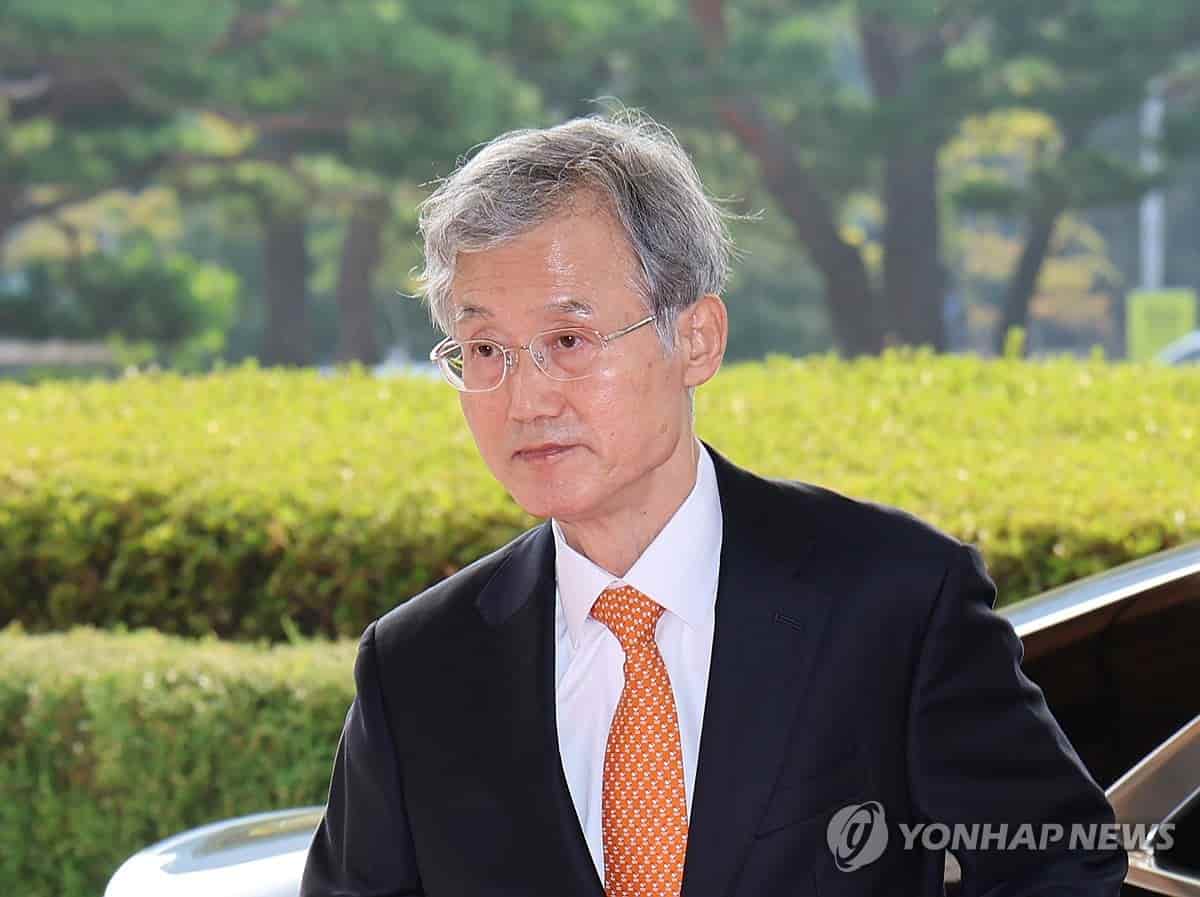
The annual audit provides a platform for political parties to scrutinize government actions and hold officials accountable, potentially influencing policy direction and public trust in key institutions like the judiciary and foreign relations.
SEOUL, Oct. 6 (Yonhap) -- The National Assembly of South Korea commenced its annual audit of government agencies on Tuesday, October 6, 2026. The audit, scheduled to run until October 27, will involve eight of the Assembly's 17 standing committees.
Key political clashes are anticipated, particularly at the legislation and judiciary committee, concerning Supreme Court Chief Justice Cho Hee-dae's refusal to recommend a new candidate for court justice to President Lee Jae Myung. The presidential office had requested Cho to recommend a new nominee after taking issue with his previous recommendation of two justices. Cho rejected the request, citing a lack of constitutional grounds. He has indicated he will clarify his stance during the parliamentary audit, though he has submitted a written notice for his non-attendance as a witness.
Another significant point of contention is expected during the audit of the foreign affairs and unification committee, focusing on recent diplomatic tensions with Ukraine. This stems from Ukrainian President Volodymyr Zelenskyy's public disclosure of the transfer of two North Korean prisoners of war to Seoul. South Korea stated the transfer was not agreed upon and accused Ukraine of breaching a bilateral agreement to keep it secret, while Ukraine has denied such an agreement existed.
Additionally, the audit sessions are expected to scrutinize the recent explosions of North Korean-planted land mines within the Demilitarized Zone (DMZ) that injured three South Korean soldiers.
Pick the topics you care about. Get only what matters, on your cadence.