Key facts
- Norway plans to propose a temporary ban on AI glasses in public spaces.
- The ban is driven by concerns that new technology could lead to people being photographed, filmed, or audio-recorded without their knowledge.
- Public spaces such as parks, beaches, schools, and daycares are areas where the ban would apply.
- Private use of AI glasses will remain permitted.
- An expert group will be formed to advise on permanent regulations for wearable technology.
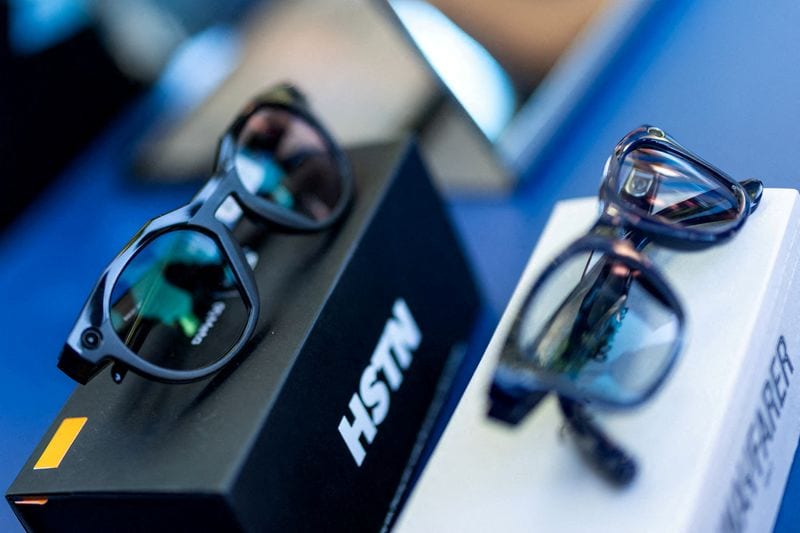
Norway plans to propose a temporary ban on AI glasses in public spaces due to privacy concerns. The government is worried that new technology could lead to people being photographed, filmed, or audio-recorded without their knowledge. The proposed ban would cover public spaces such as parks, beaches, museums, shopping centers, schools, healthcare facilities, and public events, though private use would remain permitted. The minority government aims to submit a bill to parliament as soon as possible and will task an expert group with developing permanent regulations for body-worn technology.
Meta, which sells smart glasses that can record video and take photos, has sold at least nine million pairs of its Ray-Ban versions since early 2023. In the UK, some restaurants and pubs have already banned the devices, citing privacy fears, while cinemas have restricted their use due to privacy and film piracy concerns. In August, California Governor Gavin Newsom vetoed legislation that would have penalized the use of smart glasses for recording people without permission in private spaces. In France, a child welfare group reported about the potential risks of smart glasses.