Key facts
- India and the US are resuming trade negotiations after a period of tension over tariffs and Russian oil purchases.
- President Trump and Prime Minister Modi have both expressed optimism about reaching a successful trade agreement.
- India seeks the removal of a 25% reciprocal tariff on its exports and an additional 25% levy for buying Russian oil.
- US negotiators previously found India's concessions insufficient compared to deals with other countries.
- India has excluded agriculture from trade negotiations due to domestic political pressure.
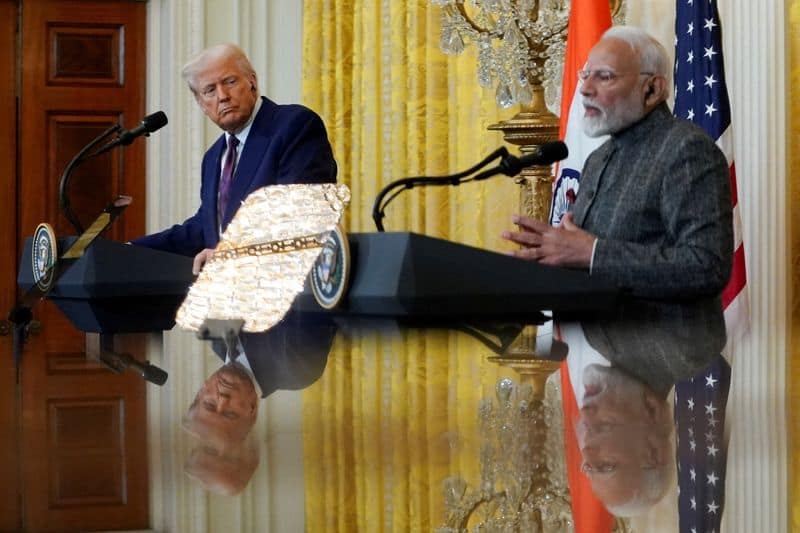
US President Donald Trump and Indian Prime Minister Narendra Modi have signaled a potential de-escalation in trade disputes, agreeing to resume negotiations. The announcement follows weeks of heightened tensions over tariffs and India's purchases of Russian oil.
Trump posted on social media Tuesday that he looked forward to speaking with Modi in the coming weeks, expressing confidence in a successful conclusion for both nations. Modi responded on X, calling the US and India "close friends and natural partners" and stating he was confident that trade negotiations would "pave the way for unlocking the limitless potential of the India-U.S. partnership."
India's Finance Minister Nirmala Sitharaman had previously stated that trade talks had reached a plateau, making further concessions difficult. However, Commerce and Industry Minister Piyush Goyal later confirmed that India is in active dialogue toward a trade deal.
Sources indicate that India is seeking the removal of a 25% reciprocal tariff on its exports to the US, as well as an additional 25% levy imposed due to India's continued purchases of Russian oil. The US had doubled this tariff rate to 50% last month. Trump's administration had previously expressed frustration with India's high import levies and non-tariff barriers.
Earlier in the day, Trump had urged European Union leaders to join him in imposing new tariffs on India and China to pressure Russia over its energy purchases. This move threatened to further complicate the trade dispute between the US and India.
Economist Sonal Varma of Nomura Holdings Inc. noted that the leaders' comments are positive signals that could lead to a reduction in India's tariff rate in the coming months. However, she also pointed out that Trump's willingness to impose broad tariffs on India and China for buying Russian oil suggests a desire for the EU to take the lead on Russia-related pressures.
Negotiations have faced roadblocks, with US negotiators deeming India's concessions insufficient compared to those made by other countries, such as Japan's pledge to invest $550 billion in the United States. India has maintained its stance on excluding agriculture from trade talks, a position influenced by domestic political pressures from its large rural voting base.