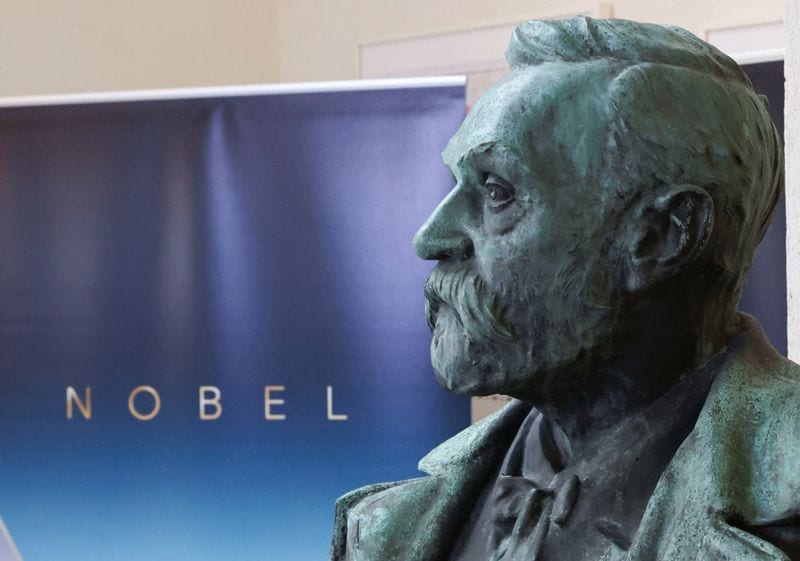
STOCKHOLM, Oct 5 (Reuters) - Scientists Karl Deisseroth, Peter Hegemann, and Georg Nagel have been awarded the 2026 Nobel Prize in Physiology or Medicine for their work on light-gated ion channels and optogenetics. The announcement was made on Monday by the Nobel Assembly of Sweden's Karolinska Institute.
Optogenetics, a technique that uses light to control the activity of neurons, has revolutionized the study of the nervous system. It has helped scientists understand brain circuitry related to behaviors such as learning, sleep, and addiction, and holds potential for treating neurological diseases like epilepsy and Parkinson's disease. The method involves using light-sensitive proteins called opsins, which are genetically engineered into neurons. Early work by Gero Miesenböck's group in the early 2000s demonstrated the use of opsins in neurons, while Peter Hegemann's group discovered channelrhodopsin, a simpler and more effective opsin. Karl Deisseroth's team further refined the technique in 2005, making it quicker, more sensitive, and easier to use, and enabling its application in complex organisms.
The prize includes a sum of 12 million Swedish crowns.