Key facts
- The Supreme Court began its new term Monday hearing arguments in a climate change lawsuit.
- ExxonMobil and Suncor Energy are seeking to dismiss a lawsuit from Boulder, Colorado.
- Boulder seeks monetary damages for harms caused by climate change.
- A ruling for the companies could dismiss similar suits from nearly 60 other governments.
- Justice Samuel Alito recused himself from the case.
- The court's decision is expected by the end of June.
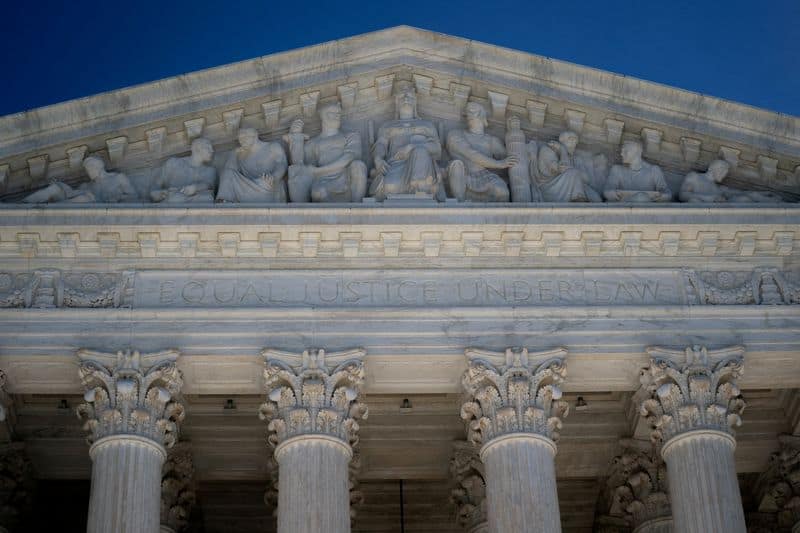
The U.S. Supreme Court commenced its new nine-month term on Monday, with its first hearing focused on a significant climate change lawsuit. Oil giants ExxonMobil and Suncor Energy are challenging a suit brought by Boulder, Colorado, which seeks financial compensation for damages attributed to climate change. This case is one of several high-profile disputes on the court's docket for the term, which will also address issues related to President Donald Trump's immigration policies and state-level gun control measures.
The conservative majority on the court, holding a 6-3 advantage, has been instrumental in shifting U.S. law in recent years. The current term's opening case stems from Boulder's accusation that the two companies contributed to climate change and misled the public about the risks of fossil fuels. The city and county are seeking to hold the companies liable for past and future costs, including infrastructure repairs, environmental remediation, emergency management, and public health impacts.
Exxon and Suncor, supported by the Trump administration, argue that federal law, specifically the Clean Air Act, preempts Boulder's claims. They contend that allowing such claims to proceed could grant states broad authority over conduct extending beyond their borders. This legal battle is part of a broader trend of energy companies seeking to block climate-related liability or limit federal environmental regulations, with a history of success before the Supreme Court in recent decades. Justice Samuel Alito has recused himself from this particular case due to potential conflicts of interest related to his stock ownership in oil and gas companies, though not specifically Exxon or Suncor.