Key facts
- Six months after a US-Israeli attack on Iran, the Middle East's strategic landscape has shifted significantly.
Six months after the US and Israel attacked Iran, the region has transformed unexpectedly. Iran survived, gained leverage in the Strait of Hormuz, and Gulf Arab nations are questioning US security guarantees, potentially seeking alternatives.
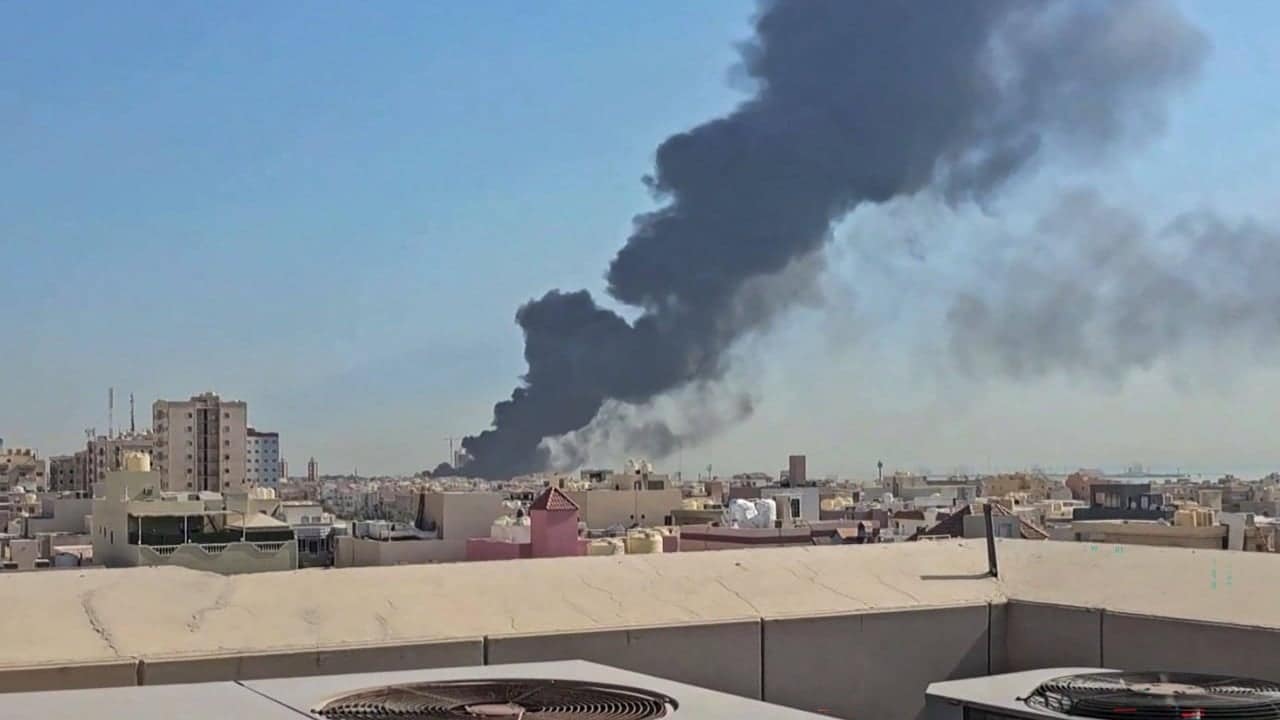
The ongoing conflict and shifting alliances in the Middle East have profound implications for global energy markets, international security, and the future of US influence in the region.
Six months after the United States and Israel launched an offensive against Iran, the Middle East's geopolitical landscape has been significantly altered, though not in the manner its architects had envisioned. The conflict, which began on February 28, has seen Iran survive the assassination of its top leaders and weeks of bombing, emerging with increased leverage, particularly in the Strait of Hormuz.
Gulf Arab nations, long reliant on the American security umbrella, have witnessed worrying vulnerabilities and are reportedly considering alternative security arrangements. Saudi Arabia, for instance, has entered into a new defense pact with Pakistan and Turkey, signaling a potential shift in alliances. The war has also strained the relationship between Israel and its closest ally, the U.S., with hopes for normalization with Saudi Arabia further dimmed.
Prior to the attack, Iran appeared vulnerable due to its currency collapse and suppressed anti-government protests. However, following the initial strikes, Iran's leadership was quickly reconstituted, and the population did not revolt as its attackers had hoped. Iran's subsequent actions, including effectively closing the Strait of Hormuz and striking Gulf countries hosting U.S. troops and critical energy infrastructure, have rattled the global economy and raised fears of broader regional instability.
Experts note that Iran's survival and demonstrated leverage in the Strait of Hormuz present a complex challenge. While the strait provides significant leverage, prolonged disruption also harms neighbors, China, and the global economy, potentially encouraging the development of alternative routes. The U.S. has responded by tightening its blockade and threatening new sanctions on Iran's economy.
Pick the topics you care about. Get only what matters, on your cadence.