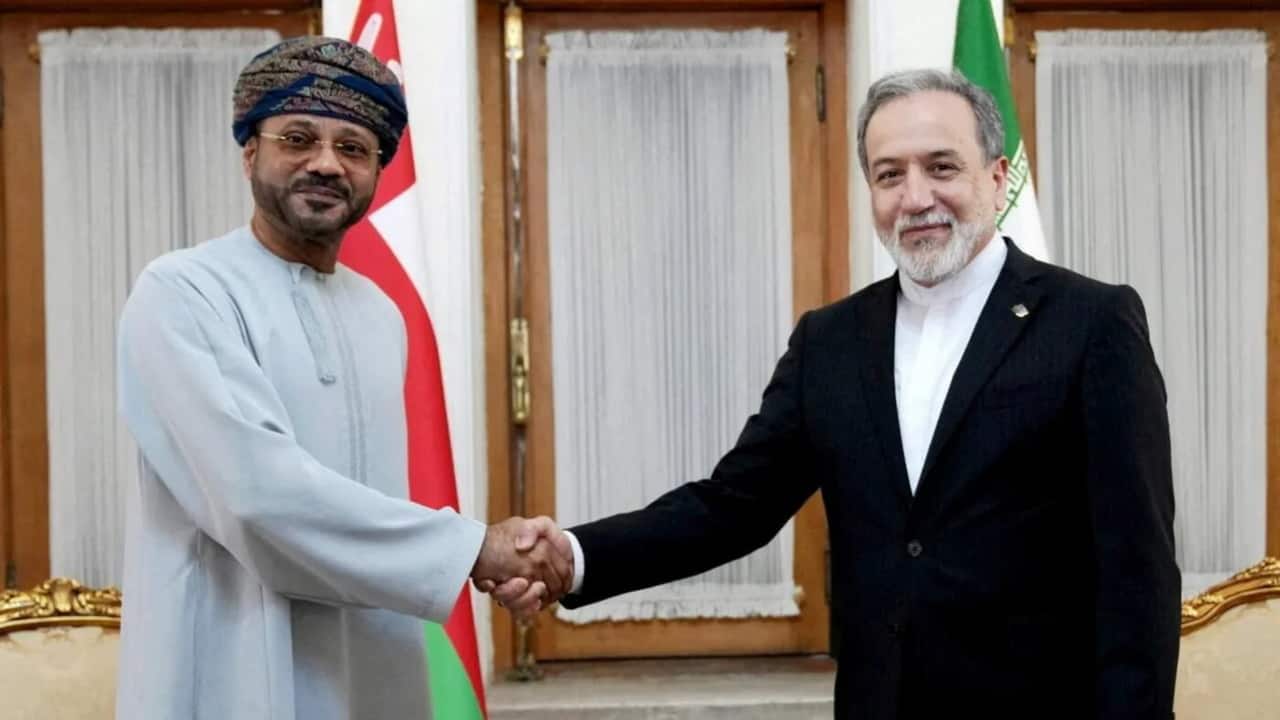
Iranian principlists are skeptical of mediation efforts by Pakistan and Oman, viewing them as a US ploy to deceive Tehran and alter its strategic calculations. Hardline outlets like Kayhan criticize these initiatives, advocating for continued military pressure against the US.

The skepticism from Iran's principlist camp towards mediation efforts highlights the deep distrust in US-Iran relations, potentially hindering diplomatic progress. Differing reactions to US sanctions reveal internal political divisions within Iran, while calls for a tougher regional policy could shape future diplomatic engagement in the Middle East.
Iranian principlists have expressed skepticism towards recent mediation efforts by Pakistan and Oman aimed at de-escalating tensions between Tehran and Washington. These hardline factions, as represented by outlets like the Kayhan daily, view these diplomatic initiatives as a potential trap or a "deception operation" by the US to mislead Iran and alter its strategic stance. This distrust is reportedly rooted in past experiences where negotiations or ceasefire talks were accompanied by US or Israeli attacks.
Kayhan argues that the US, facing battlefield setbacks and economic pressure, is using regional mediators as an exit strategy. The outlet advocates for maintaining military pressure and demands a firm response from Tehran, including the complete lifting of sanctions, release of frozen funds, and withdrawal of military forces.
Meanwhile, Iranian newspapers covered new US sanctions, with reformist papers focusing on domestic economic challenges like budget deficits and investment shortfalls, while conservative and hardline outlets dismissed the sanctions as ineffective political bluffs. The Javan daily, funded by the IRGC, described the sanctions as a "boomerang" that could negatively impact the US economy.
In a separate development, former Iranian ambassador Mohammad Masjed-Jamei called for a more assertive policy towards Gulf Arab states, criticizing what he described as excessive politeness and emphasizing that Iran should engage with them based on its own historical and geopolitical standing. He cited Turkey as an example of a country that maintains a firm position while engaging with Gulf nations.
On the domestic front, Sharif University of Technology has initiated disciplinary proceedings against students, with six receiving expulsion orders for alleged involvement in anti-establishment protests, including attempts to burn the national flag or display monarchist symbols.