Key facts
- Iran's Supreme Leader Mojtaba Khamenei has been out of public view for six months following an airstrike.
- Iranian President Masoud Pezeshkian stated foreign trade has fallen by 35% due to U.S. sanctions and a blockade.
- Annual inflation in Iran reached 66% last month.
- The U.S. Treasury sanctioned Egypt's Banque Misr and entities linked to Iran's Bank Melli.
- Qatari Prime Minister met with Iranian leaders to discuss reopening the Strait of Hormuz.
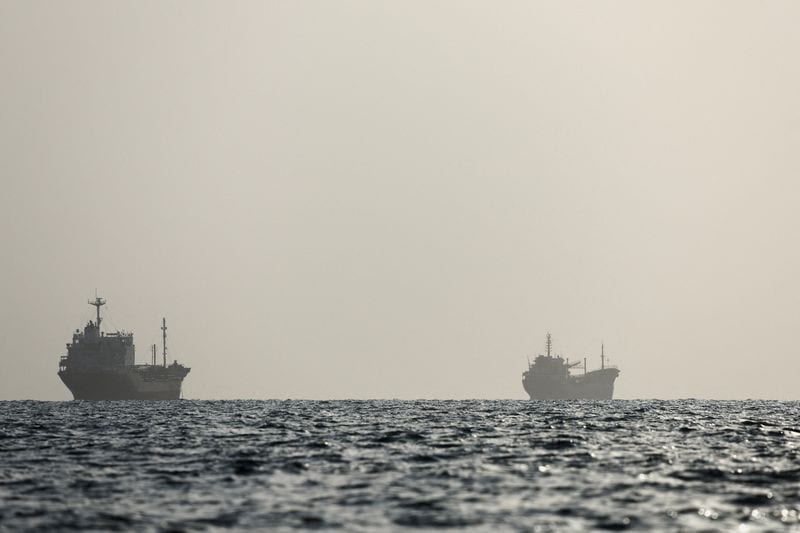
- Shipping traffic through the Strait of Hormuz has decreased.
Iran's Supreme Leader Mojtaba Khamenei has remained out of public view for six months following an airstrike, a period marked by regional conflict and intensified U.S. sanctions. His continued absence fuels skepticism about his leadership and the stability of Iran's political landscape. The war and sanctions have taken a significant toll on Iran's economy, with foreign trade shrinking and annual inflation reaching 66%. Despite threats of military retaliation and claims of control over the Strait of Hormuz, shipping data indicates a decline in traffic through the vital waterway. Diplomatic efforts, including talks brokered by Qatar, are underway to address the situation.