Key facts
- Military families are experiencing a 'roller coaster of emotions' due to the six-month conflict with Iran.
- 81% of active-duty military families reported elevated stress from the conflict in a March poll.
- Support organizations like Blue Star Families are expanding programs to aid service members' families.
- Unexpected deployment extensions and financial difficulties are significant concerns for military families.
- The Pentagon stated it is committed to providing necessary resources and assistance to these families.
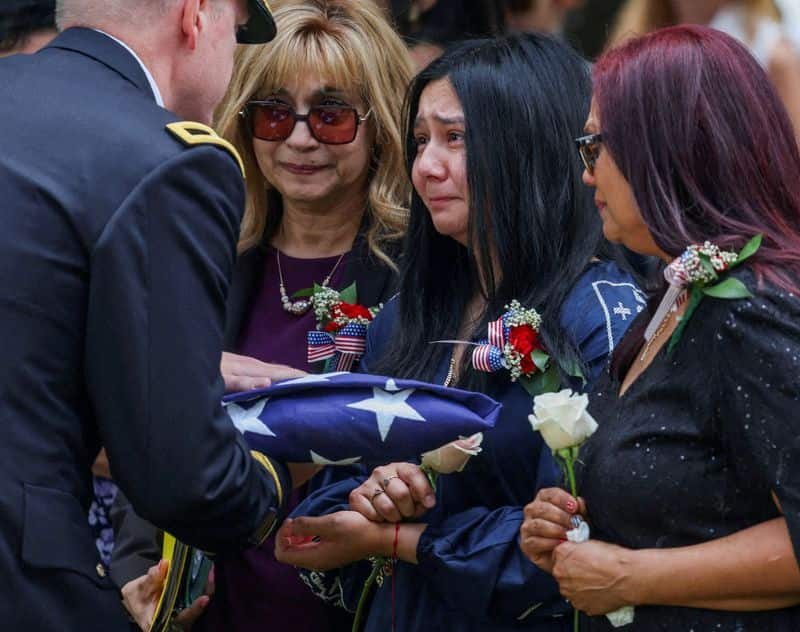
Six months into the United States' war with Iran, military families are navigating a complex emotional landscape marked by separation anxiety, financial strain, and extended deployments. Courtney Sanders, who leads the Chicagoland chapter of Blue Star Families, described the experience as a 'roller coaster of emotions,' where moments of relief are often followed by renewed stress.
Blue Star Families' research in early March indicated that 81% of approximately 200 active-duty military families surveyed reported heightened stress due to the conflict. In response, the organization has intensified its programming, offering online resources, webinars, and in-person gatherings, alongside mentorship for first-time deployment spouses.
Unexpected extensions of service, such as the USS Abraham Lincoln's record-breaking deployment of over 200 days without a port call, have contributed to declining morale among some service members, though Defense Secretary Pete Hegseth has disputed reports of misrepresented conditions. Financial pressures are also a concern, particularly for National Guard members who often maintain civilian jobs, as the loss of their primary income during deployment can create hardship.
The Pentagon has acknowledged these challenges, stating its commitment to providing necessary resources and stability to military families. Spouses like Shannon, an Army wife, and Pat, a Navy wife, shared personal accounts of managing their families' well-being, including children attending therapy and maintaining communication with deployed loved ones, highlighting the resilience and support systems within military communities.