All NewsEducationTV
Equities & FundsCrypto & Digital AssetsAI & TechnologyBusiness & CorporateUS Politics & PolicyGeopolitics & Global RiskMacro, Rates & FXCommodities & EnergyEuropean Politics & MarketsAsia-PacificReal Estate & Property
All NewsHome
← Back to Geopolitics & Global Risk

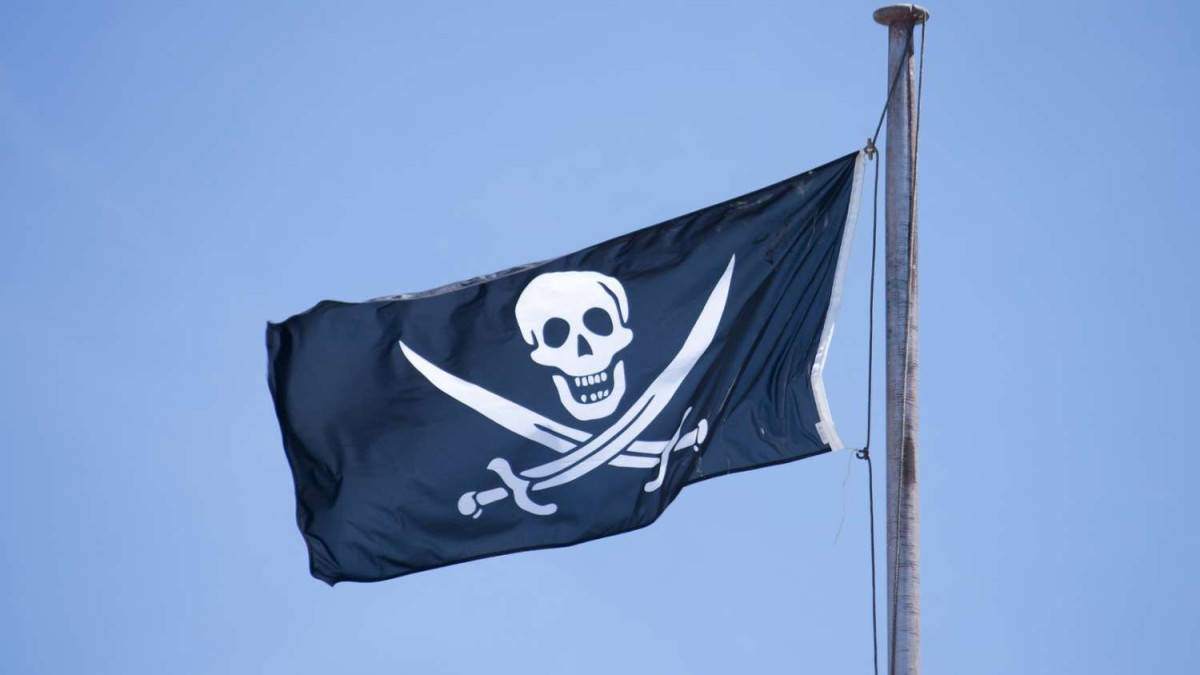
Somali piracy surges amid US-Iran conflict and regional insecurity

Created at 29 Aug · 1:20 AM1 source↑ Market-relevant
IN SHORT

Piracy off the coast of Somalia has seen a significant increase, with at least 13 ships attacked since the start of the year. This surge is attributed to the ongoing US-Iran conflict and related maritime blockades, which analysts believe create an "opportunity" for pirates.

Key Numbers

13ships attacked since start of year
4days between two recent cargo vessel seizures
6vessels currently held for ransom
200Somali pirate attacks in 2011

Who's Involved

Omar Mahmood
Senior Somalia analyst for the International Crisis Group (ICG)
Ignacio Villanueva Serrano
Operation commander for the European Union's naval force
Abdirahman Yusuf
Deputy Minister of Security for Puntland
Turkey
Accused of carrying out drone strikes and having a stake in hijacked vessel's cargo
Iran
Engaged in conflict with the US and allied with Houthi rebels
Houthis
Imposed a blockade in the Bab el-Mandeb Strait

↳ Why This Matters

The resurgence of Somali piracy, fueled by regional conflict and local grievances, threatens vital international shipping lanes, potentially disrupting global trade and increasing costs for goods already under pressure from geopolitical instability.

Key facts

  • Piracy off Somalia has surged, with at least 13 ship attacks this year.
  • The increase is linked to the US-Iran conflict and blockades in the Strait of Hormuz and Bab el-Mandeb.
  • Two cargo vessels were seized in the Gulf of Aden last week.
  • Drone strikes have targeted alleged pirate networks.
  • The hijacked MV Lutuf was reportedly carrying Turkish weapons.
  • Puntland authorities accuse Turkey of carrying out drone strikes against civilians.

Piracy off the coast of Somalia has seen a significant escalation, with at least 13 ships attacked since the start of the year. This surge is occurring amid heightened regional insecurity stemming from the US war with Iran and related maritime blockades in strategic waterways like the Strait of Hormuz and the Bab el-Mandeb Strait.

Analysts suggest that the ongoing conflicts are creating an "opportunity" for pirates, who may believe that international naval forces are focused on larger crises. The recent hijackings include the Cameroon-flagged MV Lutuf and the Eritrean-flagged MT Sibu 1. Six vessels are currently being held for ransom demands totaling millions of dollars.

Local factors, such as anger over foreign trawlers overfishing in Somali waters, are also contributing to the resurgence. Additionally, some commercial shipping is diverting closer to the Somali coast to avoid conflict zones further north, increasing potential targets. Experts note that while pirate networks were suppressed, they remained intact due to unresolved economic and security issues in Somalia.

There are also allegations that the MV Lutuf was carrying weapons destined for a Turkish military training facility in Mogadishu. Puntland authorities have accused Turkey of carrying out drone strikes that killed alleged pirate associates, a claim Turkey's defense ministry has partially addressed by stating its forces are providing support to Somali authorities.

While not yet a full-blown resurgence compared to the peak levels of 15 years ago, the current trend poses a renewed threat to vital international shipping lanes. Without an end to the US-Iran conflict or increased deterrence efforts, Somali piracy is expected to continue impacting this crucial maritime space.

Frequently asked questions

Piracy is increasing because pirates see an opportunity due to the US-Iran conflict and related blockades, which may divert international naval forces. Local factors like overfishing also contribute.

The US-Iran conflict and blockades in the Strait of Hormuz and Bab el-Mandeb Strait have created a more insecure maritime environment, potentially drawing naval attention away from anti-piracy efforts off Somalia.

The hijacking of the MV Lutuf has led to drone strikes and allegations that Turkey was involved in carrying weapons for its operations in Somalia, complicating the situation.

No, current levels are not as high as the peak in 2011, when over 200 attacks occurred. However, the current escalation is the biggest in over a decade.

What Happens Next

01International naval forces are reportedly monitoring the situation.
02Demands for millions of dollars in ransom are being made for hijacked vessels.
03Puntland authorities are seeking an explanation for alleged international warship bombings.
04Turkey is providing support to Somali authorities regarding the hijacked vessel incident.

How It Developed

Pirates have boarded ships operating far from the coast and guided them closer to shore.
Two cargo vessels were seized in the Gulf of Aden within four days last week.
At least 13 ships have been attacked since the start of the year.
Unprecedented drone strikes have targeted pirates.
The MV Lutuf, a Cameroon-flagged ship, was hijacked off Somalia's Puntland region on August 17.
The Eritrean-flagged MT Sibu 1 was boarded by pirates near Yemen a few days later.
Six vessels are currently held for ransom demands totaling millions of dollars.
Four of these vessels are anchored near Bander Beyla, a known piracy hotspot.

Sources

T1
Somali piracy surges as the impact of the US-Iran war ripples outwardsBBC News

Related Stories

Hormuz Strait Shipping Traffic Down 80% Amid Security Risks
28 Aug · 11:56 PM
Six months on, Iran war reshaped Middle East, but not as planned
28 Aug · 5:31 AM
Six Months of Iran War Jolts Markets, Drains Trump's Approval
28 Aug · 9:11 AM
Democrats Criticize Trump's Six-Month Iran War, Cite Costs and Lack of End
28 Aug · 7:11 PM
US forces clear Hormuz mines; Iran claims 'decisive control'
28 Aug · 3:16 AM