Key facts
- A power outage impacted four Central Asian countries on August 14.
- The blackout affected major cities like Almaty, Bishkek, and Dushanbe.
- Kazakhstan's Energy Ministry initially blamed a sudden change in electricity flows.
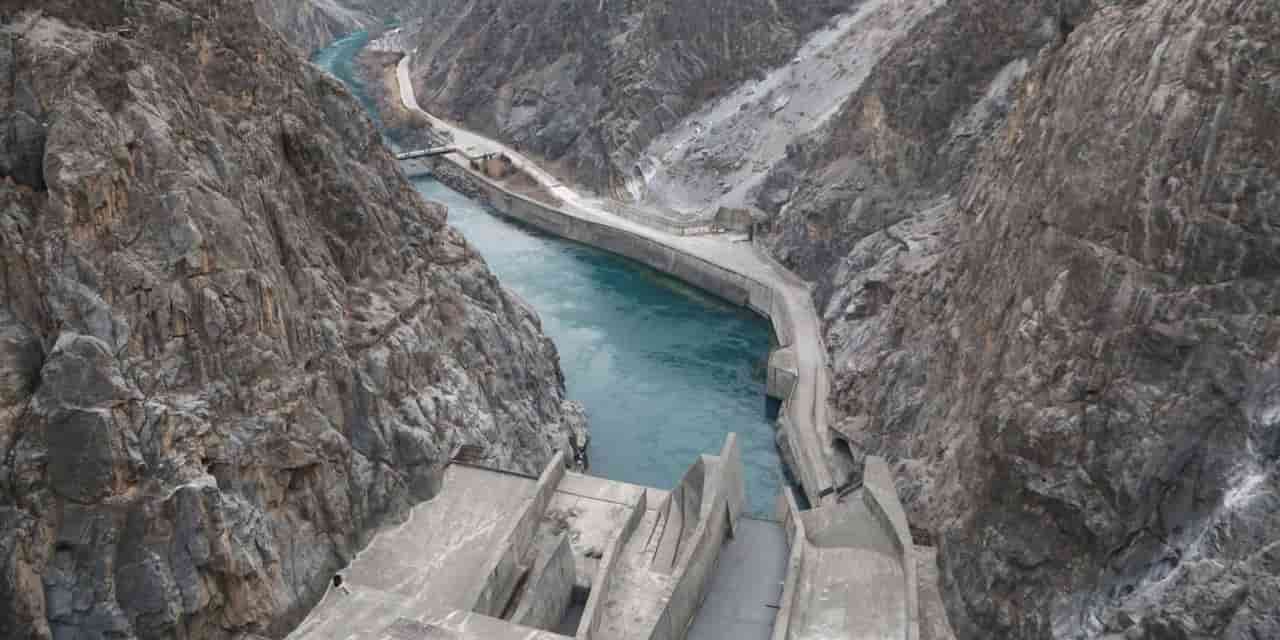
- Kyrgyzstan later identified its Toktogul hydropower plant as the source of the disruption.
- The incident raises questions about the region's energy grid reliability amid plans for increased connectivity and data center development.
Central Asia's plans to enhance energy connectivity and develop power-hungry data centers are facing increased scrutiny following a widespread power outage that affected four countries on August 14. The incident, which impacted major cities including Almaty, Bishkek, and Dushanbe, has exposed vulnerabilities within the region's interconnected electricity grid.
Kazakhstan's Energy Ministry initially attributed the disruption to a sudden change in electricity flows within the Central Asian power system, which triggered emergency protection equipment. However, Kyrgyzstan later identified its Toktogul hydropower plant as the source of the power trip. The Kyrgyz Energy Ministry stated that a short-term shutdown of two generators at the plant caused the initial disturbance, though it disputed that this directly triggered outages in other countries.
The event underscores the challenges Central Asian nations face in balancing the expansion of their energy infrastructure with the growing demand from new computing loads and the development of data centers, particularly as they aim to boost regional energy connectivity. The World Bank launched a 10-year program to establish Central Asia's first regional electricity market, increase electricity trade, and expand transmission capacity. Uzbekistan noted that recent investments in energy storage capacity helped limit the disruption's impact.