Key facts
- Australia's national electricity market is fragmenting due to the rise of renewables and batteries.
- Wholesale power prices decreased in 2025 but are still higher than in 2022.
- Grid-scale battery capacity saw a 177% increase last year.
- Australia's National Electricity Market is considered the most volatile globally.
- Significant increases in storage capacity are needed by 2050 to balance the market.
Australia's primary power grid is undergoing a transformation, shifting from a unified national market to a more fragmented system characterized by numerous smaller markets. This evolution is driven by the increasing integration of renewable energy sources and battery storage, according to the Australian Energy Regulator.
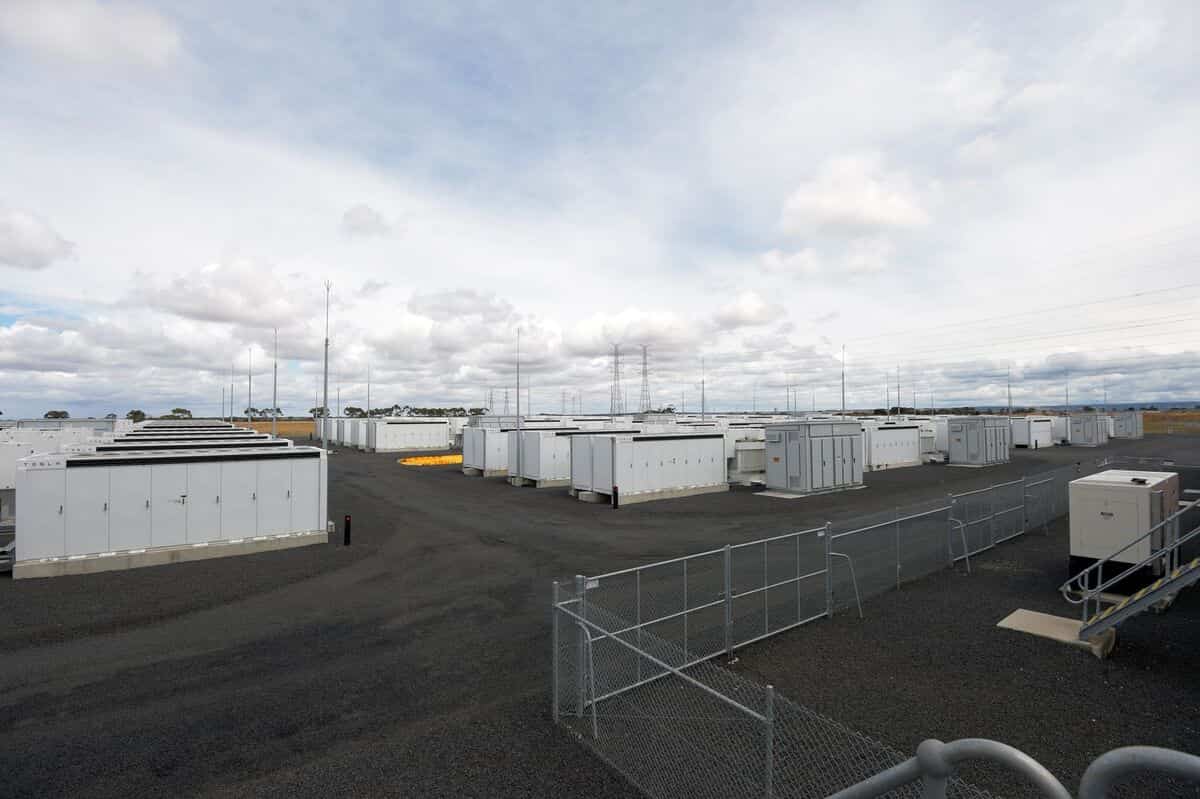
While wholesale prices saw a decline in 2025 compared to the previous year, they remain elevated above 2022 levels, a period marked by a significant failure in the nation's main power market. The regulator noted that a substantial 177% increase in grid-scale battery capacity over the past year played a role in moderating prices in the latter half of 2025.
Research from Rystad Energy indicates that Australia's National Electricity Market (NEM) is now the most volatile in the world. This volatility stems from unpredictable supply disruptions, including unplanned outages at coal-fired power plants and transmission line issues exacerbated by natural disasters. High solar penetration also contributes, with strong daytime generation driving prices down, while elevated natural gas prices lead to sharp increases in the evenings and at night when solar output wanes.
To address these fluctuations, a significant expansion of storage capacity is deemed necessary, with projections suggesting a need for 46 GW/640 GWh of pumped hydro and utility-scale battery storage by 2050, a substantial leap from the current 2.8 GW.
In September 2023, renewable energy generation within the NEM experienced a notable 13% year-on-year increase, reaching 7 terawatt-hours. Solar power was the primary driver of this growth, contributing an additional 1 terawatt-hour compared to the previous year. Utility-scale solar PV generation nationwide reached 1,331 GWh, a 41% increase.