Key facts
- Oil prices declined as investors took profits ahead of expected U.S. sanctions on Iran.
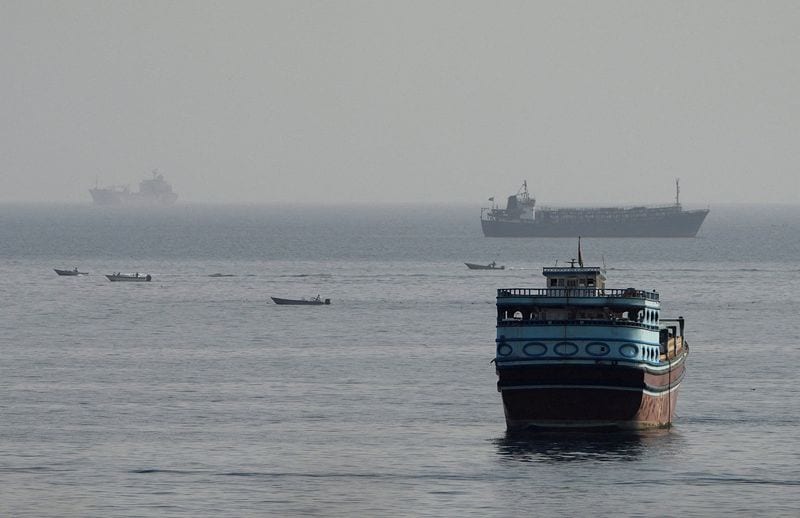
- The potential sanctions could further disrupt Middle East oil supplies and impact shipments through the Strait of Hormuz.
- Brent crude futures fell to $93.17 per barrel, and WTI crude was at $85.86 per barrel.
- US Treasury Secretary Scott Bessent threatened "the toughest sanctions in history" on Iran.
- Iran has warned it could halt all oil exports from the Strait of Hormuz and Persian Gulf if new sanctions are imposed.
Oil prices experienced a decline of over $1 per barrel on August 24, as investors took profits ahead of an anticipated announcement from Washington regarding new sanctions against Iran. These potential sanctions could further disrupt supplies from the Middle East, impacting oil shipments, particularly through the Strait of Hormuz.
Benchmark Brent crude futures fell $1.22, or 1.29%, to $93.17 per barrel, while U.S. West Texas Intermediate (WTI) crude was down $1.20, or 1.38%, at $85.86 per barrel. Both contracts had registered gains of more than 5% in the preceding week, driven partly by a stalemate in U.S.-Iran peace talks that had previously capped oil shipments through the Strait of Hormuz, a critical chokepoint for global supply.
U.S. Treasury Secretary Scott Bessent is scheduled to hold a press conference detailing the sanctions, having threatened to impose "the toughest sanctions in history" on Iran. President Donald Trump has also indicated that sanctions would be applied to countries trading with Iran. Iran has criticized the U.S. plans, with President Masoud Pezeshkian advocating for a diplomatic resolution. However, Iran's supreme national security council secretary, Mohsen Rezaei, warned that if the "economic war continues," not a single drop of oil would be exported through the Strait of Hormuz or the Persian Gulf.
Offers of Iranian crude to Chinese buyers have reportedly declined, with prices rising due to the U.S. blockade reducing Tehran's shipments. In a separate development, Iran has permitted a number of Iraqi oil tankers to pass through the Strait of Hormuz following requests from Baghdad. Vice President JD Vance commented that keeping gas prices low is the U.S.'s primary objective in the context of the Iran conflict.