Key facts
- Computer simulations indicate the 'Asian water tower' is becoming unstable.
- This region is a vital source of freshwater for billions of people.
- Climate change and rising demand are contributing factors to the instability.
- The instability poses a significant threat to regional water security.
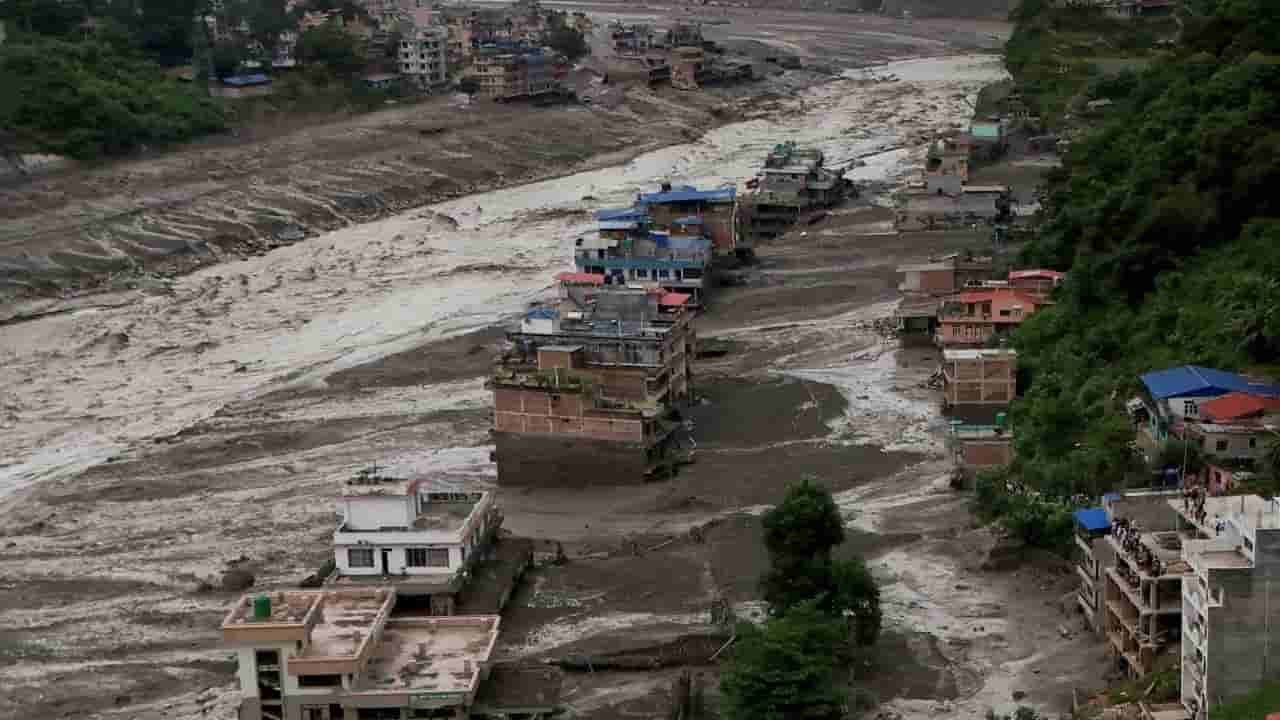
Computer simulations suggest that the 'Asian water tower,' a crucial source of freshwater for a vast population across the continent, is beginning to destabilize. This critical region, which includes the Himalayas, is facing increasing threats from climate change and escalating demand for water resources. The projected instability raises serious concerns about water security for billions of people who rely on its meltwater and river systems.
The 'Asian water tower' encompasses glaciers and snowpack in mountain ranges like the Himalayas, which feed major rivers such as the Ganges, Indus, Yangtze, and Mekong. These rivers are essential for drinking water, agriculture, and industry for countries including China, India, Pakistan, Nepal, Bangladesh, and Southeast Asian nations. The simulations indicate that changes in temperature and precipitation patterns are affecting the long-term viability of these water sources.