Key facts
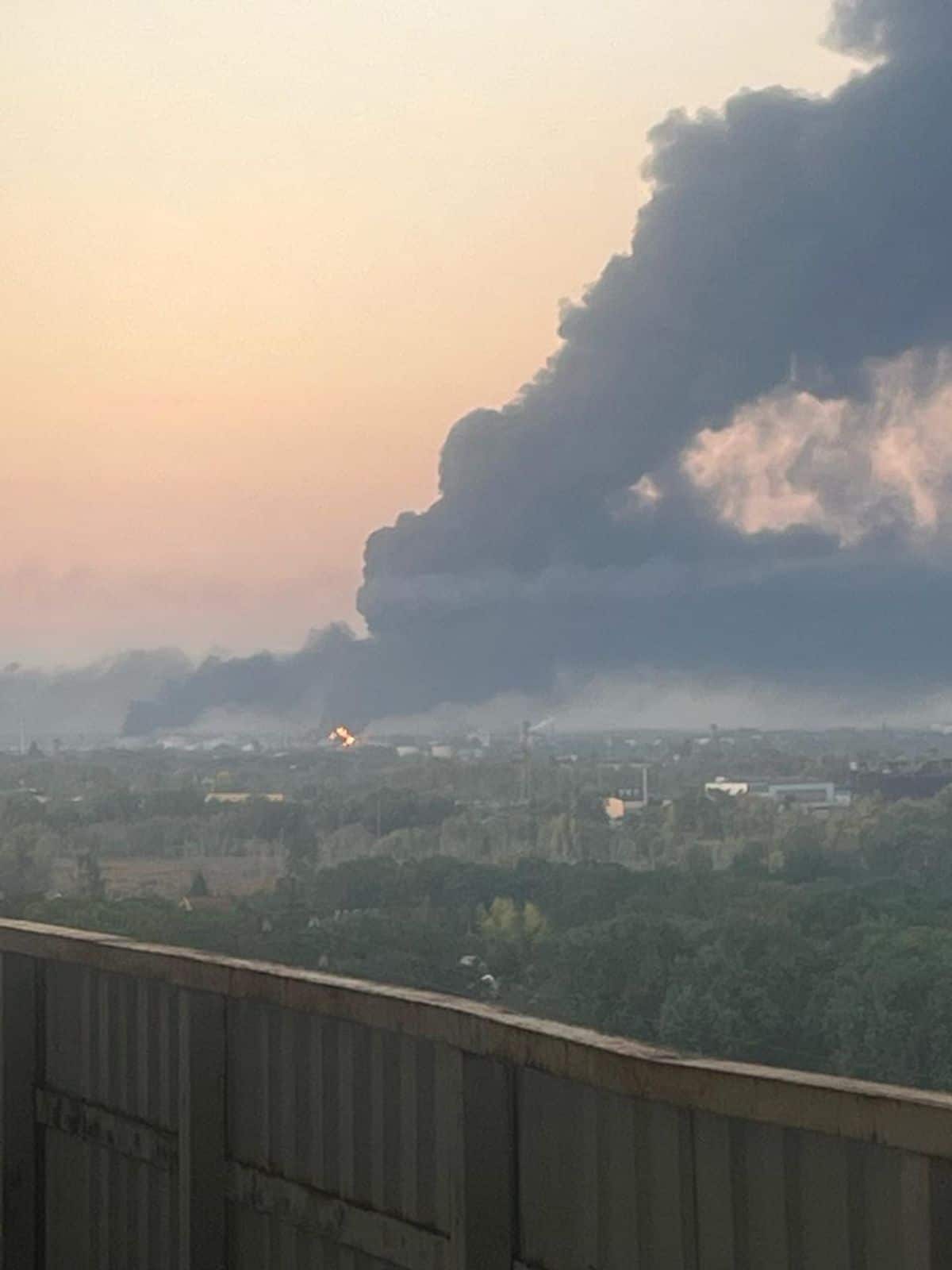
- The Kuibyshev oil refinery in Samara, Russia, was hit by Ukrainian drones on September 22, 2026.
- The refinery can produce up to 10,000 metric tons (73,000 barrels) of oil per day.
- The facility supplies fuel products used by Russia's military-industrial sector and armed forces.
- Eyewitnesses reported large fireballs and smoke from the refinery following the attack.
- Ukrainian attacks have led to fuel shortages and reduced refinery output in Russia.
- U.S. President Donald Trump urged Ukraine to stop targeting Russian diesel production.
Ukrainian forces conducted an overnight drone attack on the Kuibyshev oil refinery in Samara, Russia, on September 22, 2026. The facility, located approximately 765 kilometers from the Ukrainian border, is a significant supplier of fuel products to Russia's military-industrial sector and armed forces, with a daily crude distillation capacity of up to 10,000 metric tons (73,000 barrels).
Eyewitness footage shared by Ukrainian monitoring channels showed large fireballs and smoke billowing from the refinery following the reported strikes. The Russian opposition news channel ASTRA also appeared to confirm that the refinery was targeted.
This is not the first time the Samara plant has been attacked; Ukrainian strikes on June 10 previously suspended its operations. These attacks on Russian refineries have become a key aspect of Ukraine's long-range drone strategy, contributing to nationwide fuel shortages and a significant reduction in refinery output over the summer. As a result, half of Russia's six largest diesel-producing refineries have either cut production or halted operations entirely in September.
U.S. President Donald Trump has publicly called for Ukraine to cease its strikes on Russian oil refineries, stating that these attacks contribute to global diesel shortages, particularly as his administration's actions against Iran disrupt fuel supplies worldwide.