Key facts
- Electricity demand is accelerating due to data centers, electrification, new factories, and cooling.
- Renewable energy sources like solar and wind have a speed advantage in construction compared to conventional power plants.
- Utility-scale solar construction takes about 15 months, onshore wind 18 months, and offshore wind 24 months.
- New combined-cycle gas plants require approximately two years for construction, while coal takes five to five-and-a-half years, and nuclear seven years.
- Gas turbine lead times are now three years or more, with GE Vernova taking reservations for delivery in 2031.
- The speed of renewable deployment offers financial advantages, reducing exposure to interest rates, inflation, and cost overruns.
The energy transition is facing a new challenge as electricity demand accelerates, driven by factors such as data centers, electrification, new factories, and cooling needs. The International Energy Agency projects that global data-center consumption alone could more than double to approximately 945 terawatt-hours (TWh) by 2030. This rapid increase in demand means that the time it takes to bring new power generation online is becoming as critical as its cost.
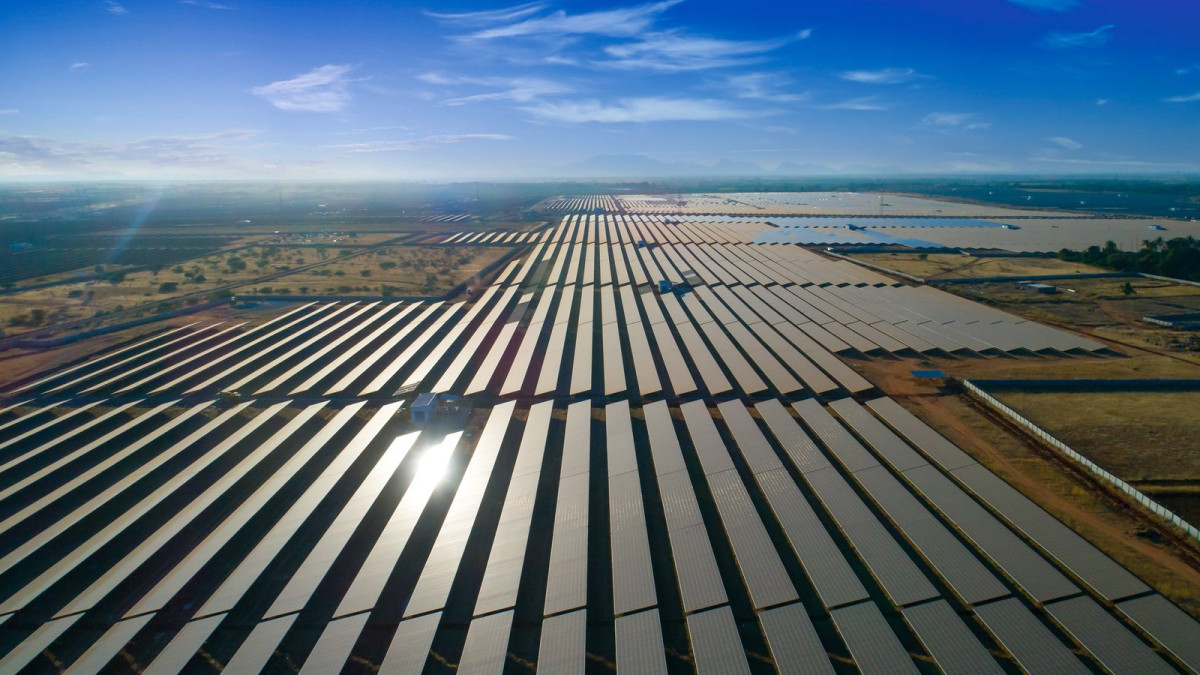
Renewable energy sources like solar and wind are increasingly competitive and offer a significant advantage in deployment speed. According to Lazard's cost assumptions, utility-scale solar can be constructed in about 15 months, onshore wind in 18 months, and offshore wind in 24 months. Distributed rooftop solar can be installed in days. In contrast, conventional power plants require longer construction periods: around two years for a combined-cycle gas plant, five to five-and-a-half years for coal, and seven years for nuclear.
This modularity and speed of deployment for renewables translate into financial benefits, reducing exposure to interest rate fluctuations, inflation, regulatory changes, and potential cost overruns. Projects can begin generating revenue sooner, and their scale can be adjusted between phases if demand forecasts shift. This flexibility is absent in large, single-asset projects like nuclear or coal plants.
The traditional role of gas turbines in providing quick, firm capacity is also being challenged. Siemens Energy reported gas-turbine lead times of three years or more, while GE Vernova is taking reservations for deliveries in 2031. Reuters noted that combined-cycle gas plant costs have more than doubled to over $2,400 per kilowatt, with turbine lead times exceeding five years in some market segments. This bottleneck means that gas plants may not be available in time to meet immediate demand.
While acknowledging that one gigawatt of solar is not equivalent to one gigawatt of nuclear or gas in terms of reliability, the report argues that the speed advantage of renewables is crucial. They can provide bulk energy quickly, and when paired with batteries, can shift production to meet peak demand. The report suggests that the focus should be on the fastest buildable portfolio rather than waiting for a single, perfect asset. This is reflected in market deployment, with renewables expected to supply nearly half of the additional electricity for data centers through 2035, and US developers increasingly opting for solar-plus-storage projects that can be completed in 18 to 20 months.