Key facts
- 4A Yarn Dyeing, a supplier to Walmart, Gap, and Next, has maintained production despite energy shortages in Bangladesh.
- The company generates approximately 40% of its electricity needs through solar panels.
- A survey of 134 knitwear factories indicated 55% experienced order cancellations or reductions due to energy issues.
- Bangladesh increased fuel prices by up to 17.4% on Monday.
- 4A Yarn Dyeing plans to install a battery system to enhance energy resilience.
- Increased fuel costs have raised 4A Yarn Dyeing's production expenses by 2% to 3%.
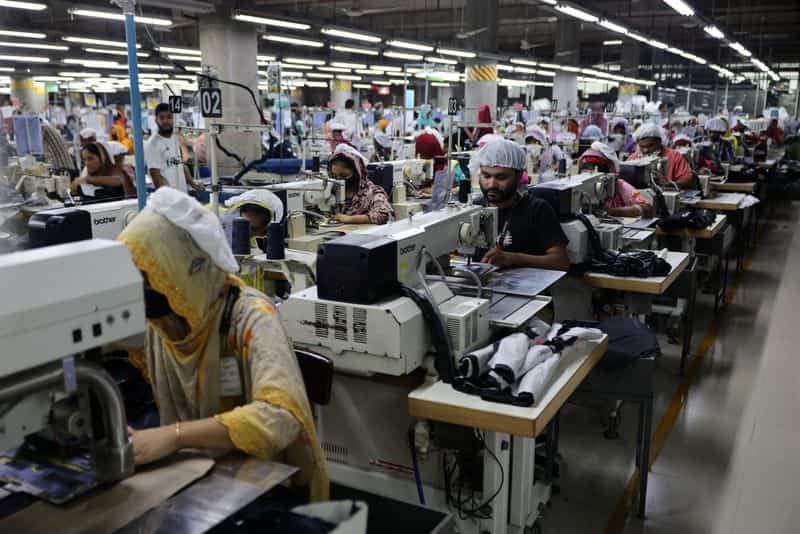
While most garment manufacturers in Bangladesh are struggling with production disruptions due to a severe gas and power crisis, 4A Yarn Dyeing, a supplier to major international brands like Walmart, Gap, and Next, has managed to maintain its operations. The company has invested in generating its own electricity since 2019, utilizing solar panels, gas, and diesel generators, which insulates it from the national grid's instability.
A recent survey of 134 knitwear factories revealed that 55% have experienced order cancellations or reductions since late August, with 78% partially halting production due to energy shortages. These issues have also led to shipment delays and discounted orders.
However, 4A Yarn Dyeing's proactive approach has allowed it to continue production. The company's co-owner, Abdullah Hil Nakib, stated that they never relied on a single energy source and had backups for everything. Despite this, the cost of doing business has increased, with costlier diesel pushing 4A's monthly fuel bill up by up to 5 million taka ($40,950), a 2% to 3% rise in production costs.
The situation was exacerbated on Monday when Bangladesh raised fuel prices by up to 17.4%, a move attributed to soaring global prices and increased shipping costs linked to the Middle East conflict. To further mitigate future disruptions, 4A plans to install an industrial-scale battery system.
Other manufacturers are facing significant challenges. Garment exporter Shahidullah Azim noted that thin margins are being further squeezed by higher production and transportation costs, making it difficult to remain competitive. He cited an instance where a Canadian buyer reduced an order from 25,000 pieces to 8,000 due to declining buyer confidence amid Bangladesh's economic and energy challenges.
Mohiuddin Rubel, additional managing director of Denim Expert Ltd, highlighted that while companies might absorb higher fuel costs, gas shortages and power cuts are more concerning, especially as competitors like Vietnam and India are not facing the same intensity of issues. The ability to manage these challenges will determine Bangladesh's position in the global sourcing market.