Key facts
- Ukraine's strikes have reduced Russia's total oil refining capacity by 45%, according to the General Staff.
- The attacks have caused a shortage of high-quality fuel in Russia.
- Production of Euro-5/K5 standard gasoline and diesel fuel has sharply declined.
- The Moscow Oil Refinery stopped production after a Sept. 20 attack.
- The EU is preparing its largest-ever sanctions package targeting Russia's defense-industrial complex.
Ukraine's sustained campaign of long-range strikes against Russian oil refineries has crippled 45% of the country's total refining capacity, the General Staff of Ukraine's Armed Forces reported on September 21. This offensive has led to a shortage of high-quality fuel in Russia, with a sharp decline in the production of gasoline and diesel fuel of the Euro-5/K5 standard.
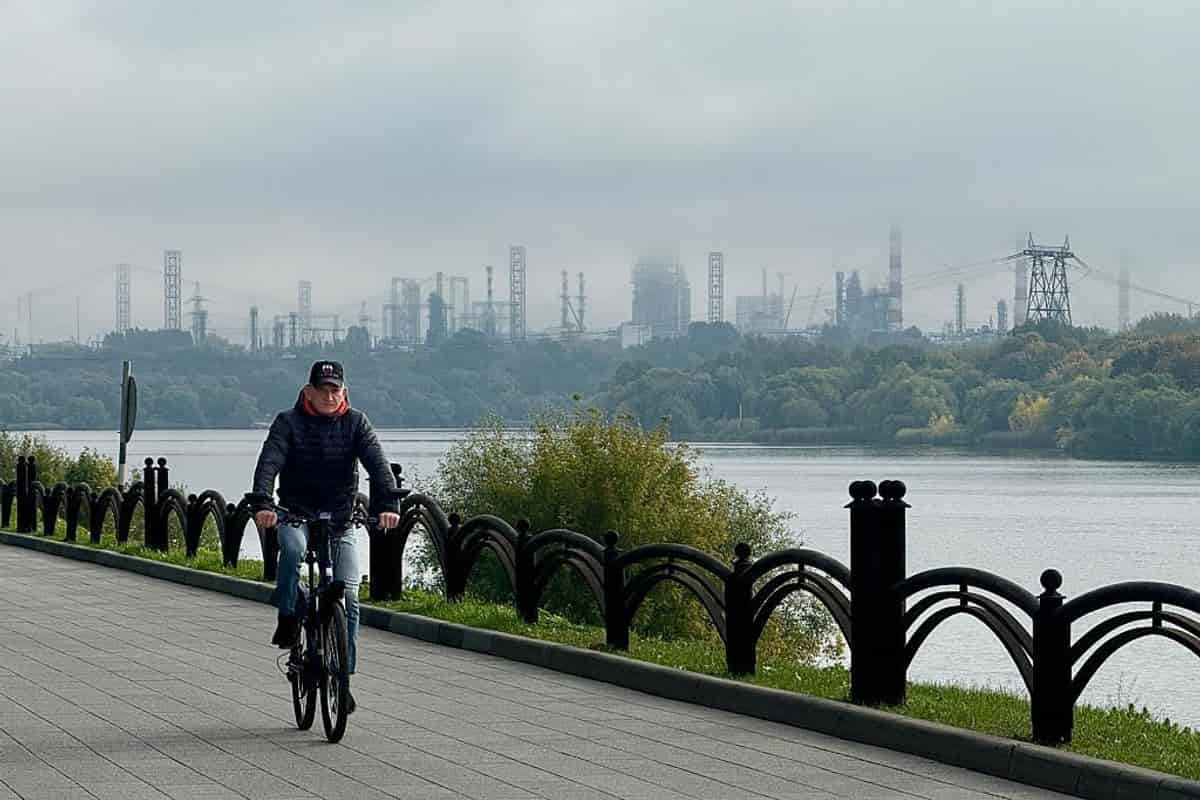
The Moscow Oil Refinery, owned by state-controlled company Gazprom Neft, stopped production after a Sept. 20 attack. Reuters sources indicated that the refinery's main crude distillation units were hit, and repairs could take weeks.
Meanwhile, the EU is preparing its largest-ever sanctions package, comprising nearly 1,600 listings, aimed at Russia's defense-industrial complex. The proposal by the European External Action Service includes 827 entities and 744 individuals, targeting companies involved in shipbuilding, aviation, electronics manufacturing, and aerospace.
U.S. President Donald Trump stated on Sept. 21 that Russia has effectively "lost control" of its diesel production sector due to the war with Ukraine, noting that many refineries are temporarily out of commission. Ukrainian President Volodymyr Zelensky echoed the sentiment that the war must end.
Separately, Ukrainian military analysis indicates that 69% of Russian soldiers fighting near Zaporizhzhia have criminal records. The Culture Ministry also announced a $500,000 fundraising initiative to aid Ukrainian publishers whose operations have been impacted by Russian attacks.