Key facts
- Russia's Vostok Oil project, estimated to cost $135 billion, has launched.
- The project aims to produce 100 million tonnes of oil per year.
- The Northern Sea Route (NSR) is central to transporting Arctic oil and LNG to international markets, particularly China.
- Rosneft signed a 10-year deal in February 2022 to supply China National Petroleum Corporation with 100 million metric tonnes of oil.
- Gazprom Neft is boosting exports through the NSR, despite sanctions and Shell's withdrawal from joint ventures.
- The U.S. intends to hinder Russia's expansion in the Arctic region.
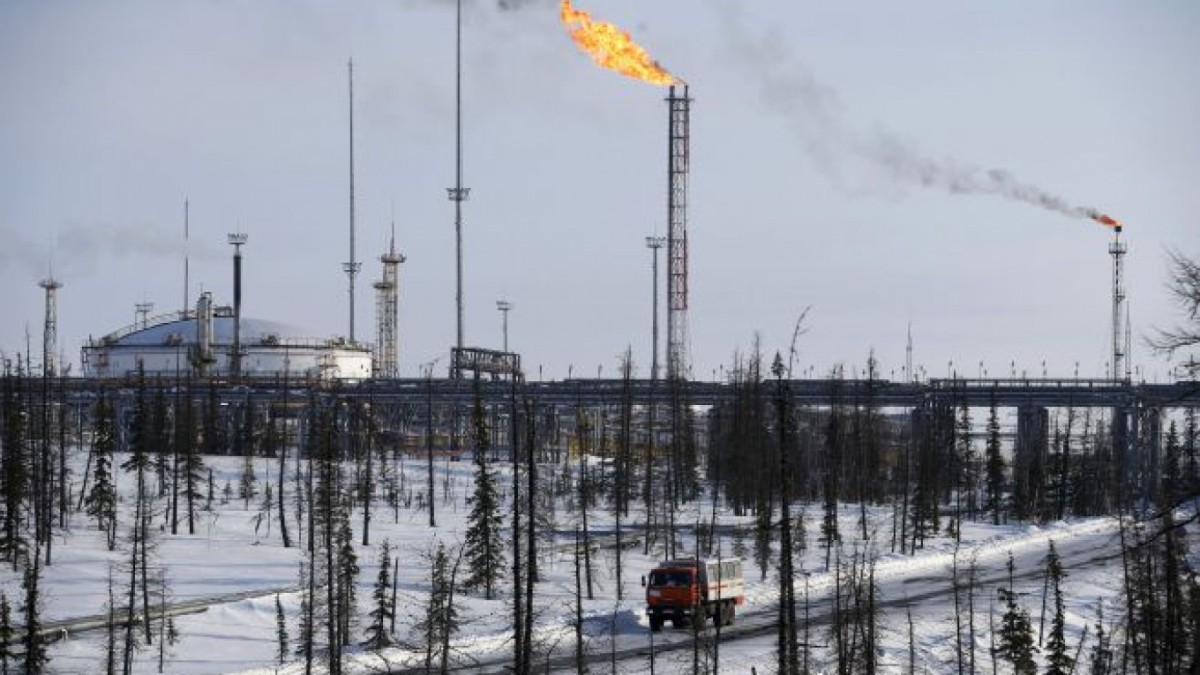
Russia's Vostok Oil project, a massive Arctic development estimated to cost $135 billion, has been launched by Rosneft, signaling a strategic push to bolster oil exports via the Northern Sea Route (NSR). This initiative is seen as crucial for President Vladimir Putin's war effort in Ukraine, providing a vital revenue stream amidst ongoing international sanctions.
The Vostok Oil project encompasses fields like Vankor and Payakha, holding an estimated 51 billion barrels of hydrocarbons. Its success is tied to the development of the NSR as a primary shipping highway for Arctic LNG and crude oil, particularly to China. Rosneft CEO Igor Sechin had previously promised Putin that the project would create a 'new oil and gas province' on the Taymyr peninsula.
The project's launch includes a new pipeline connecting the Vankor and Payakha fields to Bukhta Sever Port, with a design capacity of 100 million metric tons per year. The first oil has been loaded onto an Arc7 ice-class tanker. Despite sanctions, Rosneft anticipates supplying 30 million metric tons of oil as early as the second half of 2027 and up to 50 million metric tons by 2030.
This development aligns with deals signed between Russia and China in February 2022, including a 10-year agreement for Rosneft to supply 100 million metric tonnes of oil to China National Petroleum Corporation. Russia's total crude oil shipments to China via pipelines in 2021 reached 40 million metric tonnes, with the East Siberia-Pacific Ocean pipeline also a key export route.
Meanwhile, Gazprom Neft has also been increasing its exports through the NSR. However, like Rosneft, it faces challenges due to sanctions, including the withdrawal of partners like Shell from joint ventures. Gazprom Neft has had to rely on state-backed Russian banks for financing and substitute Western technology with conventional tankers and icebreakers for navigating the Arctic waters.
The U.S. has signaled its intent to counter Russian and Chinese expansion in the Arctic, viewing the region's critical minerals and shipping lanes as strategically important. This includes fast-tracking Arctic Security Cutters and forming alliances like the 'ICE Pact' with Canada and Finland.