Key facts
- The UK plans to invest over £150 billion in its electricity grid infrastructure.
- The investment aims to connect new wind and solar energy projects.
- The UK aims to achieve 100% clean energy generation by 2030.
- The grid expansion includes new pylons, subsea cables, and converter stations.
- The project faces local opposition and potential short-term increases in consumer energy bills.
The United Kingdom is embarking on a significant overhaul of its electricity grid, with an estimated investment of over £150 billion required to meet rising power demand and integrate a growing pipeline of renewable energy projects. The U.K. National Energy System Operator (NESO) has outlined the substantial financial commitment needed to upgrade the nation's transmission infrastructure.
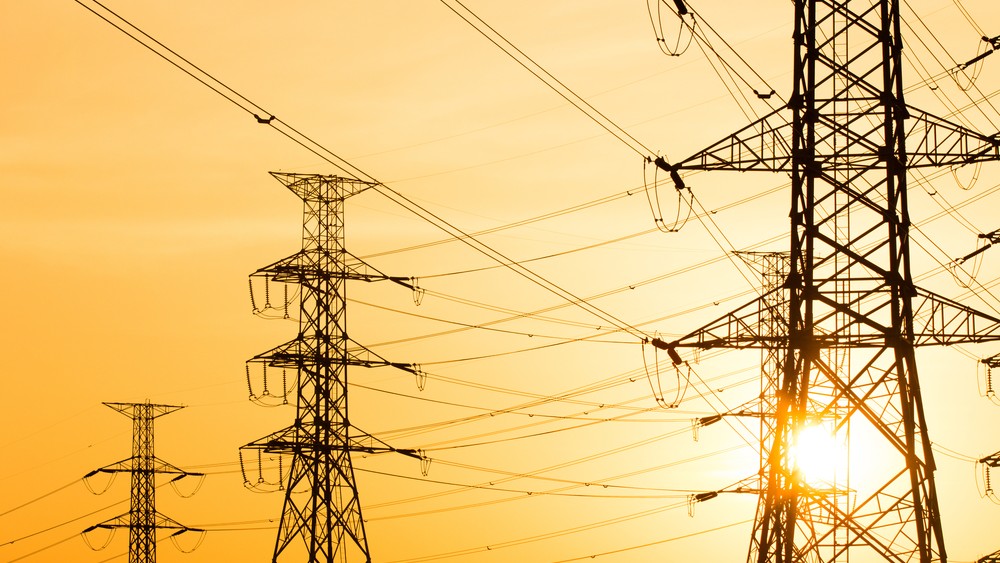
The ambitious plan includes constructing five times as much infrastructure by the end of the decade as was built in the previous 30 years. This involves building new pylons, subsea cables, and converter stations to connect renewable sources like wind and solar farms to the national grid. The urgency for this expansion is amplified by the extreme volatility in fossil fuel prices, exacerbated by geopolitical events such as the Russia-Ukraine war and tensions in Iran.
Since 2024, the U.K. government has intensified its focus on renewable energy expansion as part of its green transition strategy. The Clean Power 2030 targets aim to shift the country's energy generation from 60% to 100% clean sources by 2030. NESO estimates that £64 billion will be needed for transmission projects by 2030, with an additional £89 billion required thereafter.
Experts highlight the critical role of grid capacity in harnessing renewable energy. Keith Bell, a professor at the University of Strathclyde, warned that insufficient transmission capacity would lead to greater dependence on fossil fuels, increased vulnerability to price shocks, and higher CO2 emissions. The Guardian newspaper's analysis indicates a need for over 4,000 miles of new power lines by 2041, stretching across the country.
Specific projects include a £22 billion investment in rewiring Scotland and a £4 billion subsea cable project connecting Peterhead to North Yorkshire. However, the expansion faces challenges, including local opposition in rural areas and the expectation of short-term increases in consumer energy bills. While the long-term goal is to reduce costs by decreasing reliance on gas generation, immediate price pressures on consumers are anticipated.
The overhaul signifies a shift from the traditional fossil fuel-centric grid infrastructure, which was built around power plants near urban centers. As renewable projects are increasingly located in remote areas, the transmission network must become more expansive to deliver power efficiently. The National Audit Office (NAO) has cautioned that the planned upgrades will test systems not designed for such rapid and large-scale activity, emphasizing that successful delivery is crucial for economic growth and consumer bills.