Key facts
- Bangladesh is implementing a distributed energy strategy to combat an energy crisis.
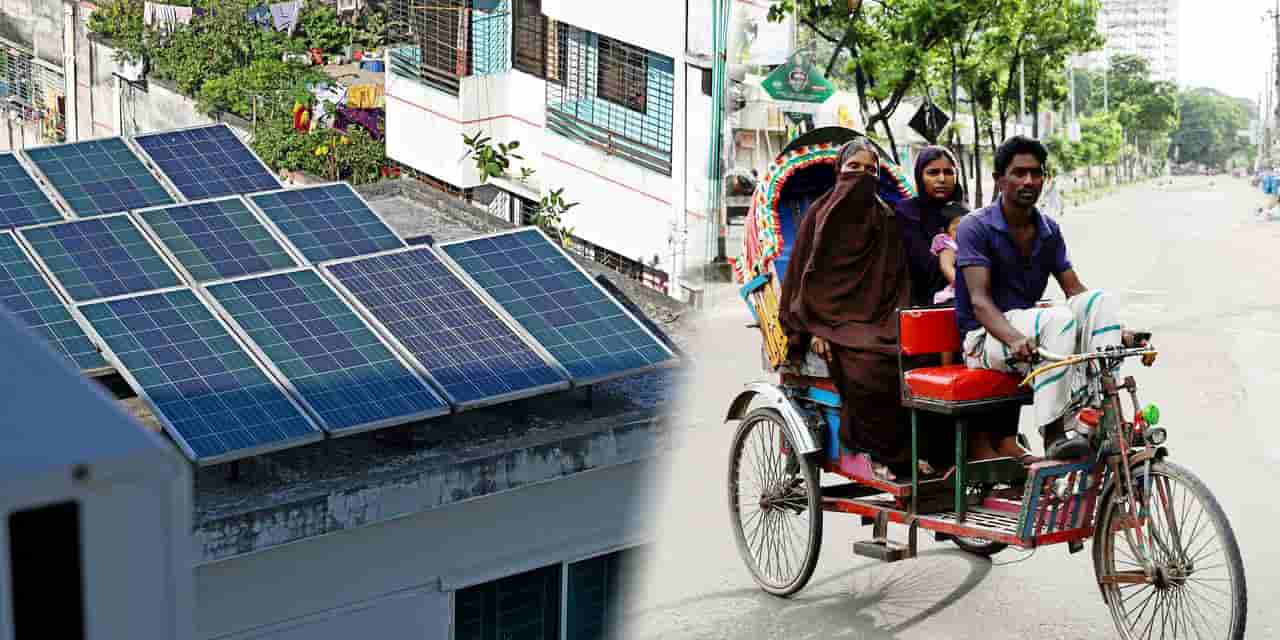
- The government is incentivizing rooftop solar panel installations with battery storage.
- Battery-powered rickshaws will be required to charge from solar power instead of the national grid.
- The country aims to reduce its reliance on imported fuels like natural gas, coal, and LNG.
- Rooftop solar installations can reduce daytime demand for fuel-based electricity.
- Battery storage allows for electricity retention for evening use or during outages.
DHAKA -- Bangladesh is seeking to alleviate an energy crisis by shifting towards a distributed power system, moving away from a sole reliance on large power plants. The government is actively encouraging the adoption of rooftop solar panels coupled with battery storage, offering financial incentives to consumers who install these systems and feed surplus electricity back into the national grid. This initiative aims to reduce the country's dependence on imported fuels, such as natural gas, coal, and liquefied natural gas, which have been subject to price volatility, shipping disruptions, and geopolitical tensions.
In recent weeks, Bangladesh has experienced power deficits approaching 4,000 megawatts during peak times, leading to widespread power outages that have disrupted industrial activities and strained households. The reliance on imported fuels has exposed the nation's electricity system to global price fluctuations and foreign exchange pressures. The government's strategy includes requiring millions of battery-powered rickshaws to charge using solar energy instead of drawing from the national grid. This approach is expected to reduce daytime demand for electricity generated from fossil fuels. Furthermore, battery storage will enable consumers to utilize solar-generated electricity during evening hours or power outages, thereby easing pressure on the grid during critical periods.
While large-scale solar and wind projects are part of Bangladesh's renewable energy goals, their development can be time-consuming due to land acquisition and lengthy approval processes. Rooftop installations present a more accessible path to increasing renewable capacity in the densely populated country. Bangladesh currently has approximately 1,559 MW of renewable energy capacity, predominantly solar. The nation has set targets to generate 20% of its electricity from renewable sources by 2030, with a goal of reaching 30% by 2040. The incentive program for rooftop solar systems is designed to accelerate the deployment of renewable energy capacity.