Key facts
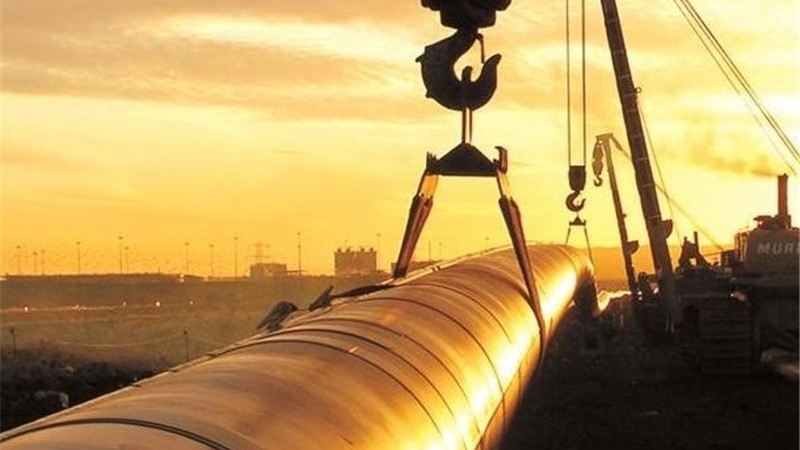
- Saudi Arabia's East-West oil pipeline, vital for bypassing the Strait of Hormuz, is out of service following drone attacks.
- The pipeline outage risks about 4 million barrels per day of Saudi crude oil shipments from the Red Sea port of Yanbu.
- Global oil inventories have plunged by 507 million barrels since February, according to the IEA.
- Oil on water volumes declined by 65 million barrels due to renewed attacks on tanker traffic.
- Chevron CEO Mike Wirth stated that market buffers have been 'played out' and oil prices could rise further.
The global oil market is facing significant supply pressure as a drone attack has taken Saudi Arabia's vital East-West pipeline out of service, potentially for weeks. This disruption comes at a time when market buffers are already depleted due to a prolonged conflict in the Middle East, significant drawdowns of strategic reserves, and reduced Chinese imports earlier in the year.
The East-West pipeline allows Saudi Arabia to export most of its crude oil from the Yanbu port on the Red Sea, bypassing the Strait of Hormuz. The closure of this pipeline puts approximately 4 million barrels per day of Saudi crude oil shipments at risk. While Saudi Arabia may be able to use existing stocks at Yanbu for a few days, a prolonged outage could jeopardize these Red Sea flows, which are already under threat from Iran-aligned Houthis in Yemen who have targeted tankers.
Chevron CEO Mike Wirth noted on Friday that market buffers have been "played out" and anticipates further oil price increases in the coming months. His comments coincided with the U.S. average diesel price reaching $6 per gallon for the first time and the drone attacks on the Saudi pipeline. Wirth suggested it is "harder to envision a scenario where prices soften and quickly," with risks remaining to the upside.
The International Energy Agency (IEA) reported that global observed oil inventories plunged by 95 million barrels in August, bringing the total draws since February to 507 million barrels, or an average of 2.8 million barrels per day. Additionally, oil on water volumes decreased by 65 million barrels due to renewed attacks on Middle Eastern tanker traffic. Oil prices have reached their highest levels since May, with further increases possible as hopes for a swift resolution to the conflict diminish.